
TL;DR:
- On-demand healthcare provides quick, affordable access to common non-emergency medical issues through digital platforms.
- It benefits uninsured, busy, rural, and cost-conscious individuals by reducing wait times and expenses.
- While convenient, on-demand care has limits for emergencies, chronic conditions, and physical exams.
You have a sore throat at 9 p.m. Your doctor’s office is closed, urgent care is expensive, and the ER feels like overkill. Sound familiar? For the millions of Americans without insurance, moments like this can feel overwhelming. But here’s the thing: quality, affordable care doesn’t have to be slow, complicated, or out of reach. On-demand healthcare is changing that assumption entirely. This article walks you through what on-demand healthcare is, how it works, who benefits most, and where its limits lie, so you can make smarter, calmer decisions about your health.
Table of Contents
- What is on-demand healthcare?
- How on-demand healthcare works: Technologies and services
- The real-world benefits: Access, savings, and who it helps
- Limitations and risks: When on-demand care isn’t enough
- On-demand vs. traditional care: Which is right for you?
- Beyond the hype: What most guides miss about on-demand healthcare
- Get fast, affordable care for common conditions with Chameleon
- Frequently asked questions
Key Takeaways
| Point | Details |
|---|---|
| Instant access to care | On-demand healthcare connects you with medical help for common issues in minutes, no insurance required. |
| Big savings on costs | Virtual visits and mobile clinics can cost 70-90% less than traditional ER or urgent care visits. |
| Know the limits | On-demand care is best for non-emergencies and should be combined with in-person follow-up for complex needs. |
| Policy changes ahead | Medicare coverage for telehealth may change after January 2026—stay informed on updates. |
What is on-demand healthcare?
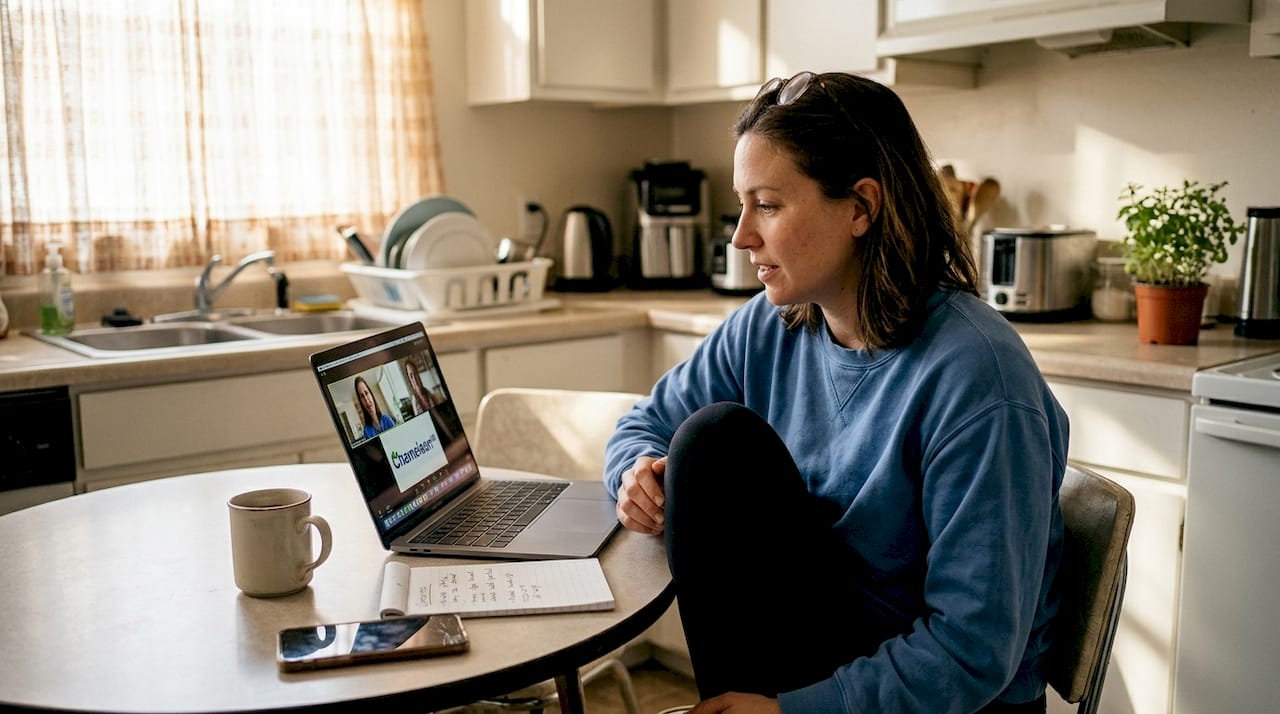
On-demand healthcare means getting medical care when you need it, not when your schedule and a clinic’s availability happen to align. On-demand healthcare services provide immediate access to care through digital platforms, mobile apps, and even home visits, all without the traditional hoops of insurance approvals or long waits.
Think of it as the difference between calling a cab and hailing a ride from your phone. The outcome is the same, but the experience is faster, simpler, and built around your life.
This model is designed for common, non-emergency needs: sore throats, sinus infections, rashes, urinary tract infections, and similar everyday health concerns. It is not a replacement for emergency rooms or complex specialist care.
The growth of on-demand healthcare reflects just how much demand exists for this kind of access. The market was valued at $184.7 billion in 2024 and is projected to reach $293.2 billion by 2034. That’s not a niche trend. That’s a fundamental shift in how people access care.
Who benefits most from on-demand healthcare?
- People without insurance who need affordable options
- Busy professionals who can’t take time off for a clinic visit
- Rural residents with limited local provider access
- Parents managing kids’ symptoms after hours
- Cost-conscious individuals avoiding unnecessary ER trips
| Feature | On-demand healthcare | Traditional clinic |
|---|---|---|
| Wait time | Minutes to hours | Days to weeks |
| Insurance required | No | Often yes |
| Access method | App, phone, web | In-person |
| Best for | Common conditions | Complex or chronic care |
| Cost transparency | Clear upfront pricing | Often unclear |
Exploring the affordable telemedicine benefits of this model helps clarify why so many people are making the switch.
How on-demand healthcare works: Technologies and services
Once you understand what on-demand healthcare is, the next natural question is: how does it actually work? The answer involves a mix of smart technology and practical service design.
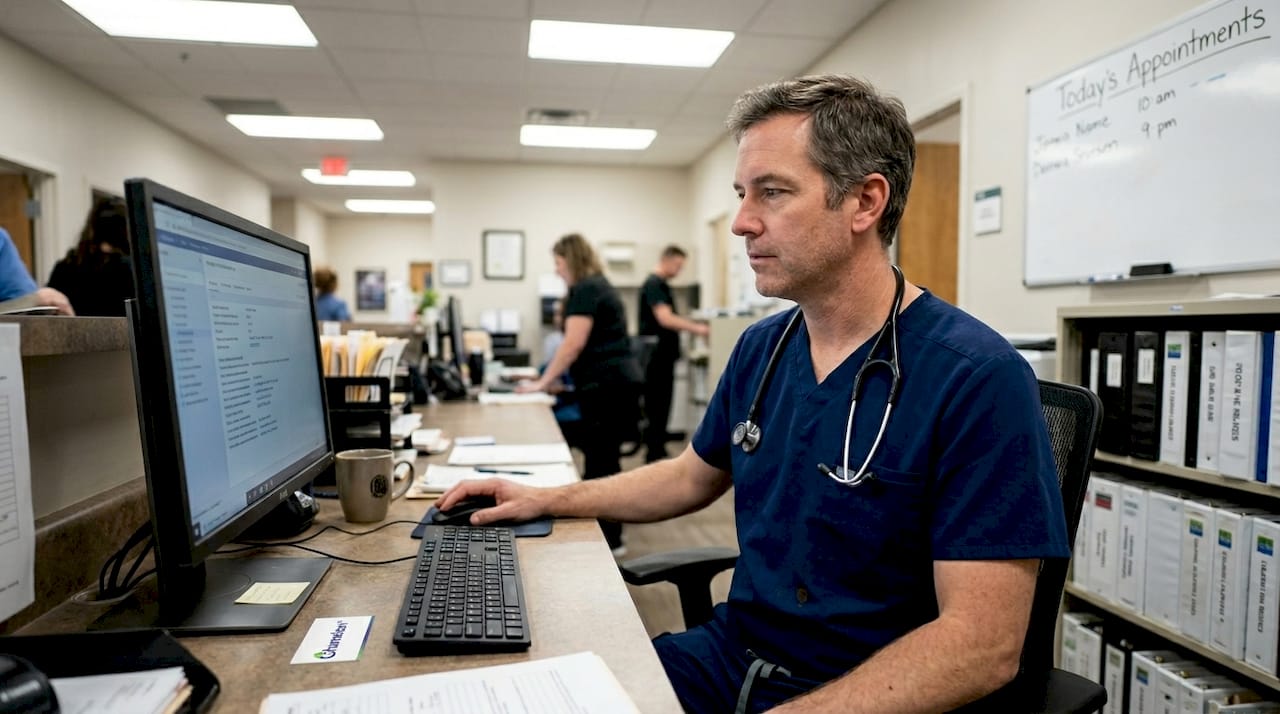
On-demand platforms use synchronous and asynchronous telehealth, mobile health apps, and remote monitoring tools to connect patients with licensed providers quickly and securely. Synchronous means a live video or phone call. Asynchronous means you send your symptoms and photos, and a provider responds within a set time frame.
How a typical on-demand visit works:
- Download the app or visit the platform’s website
- Create an account and describe your symptoms
- Choose your visit type: live video, messaging, or phone
- Connect with a licensed provider, often within minutes
- Receive a diagnosis, treatment plan, or prescription sent to your pharmacy
- Follow up digitally if needed, no second appointment required
The telehealth technology behind these platforms includes artificial intelligence for symptom triage, machine learning for pattern recognition, Internet of Things (IoT) devices like connected blood pressure cuffs, and cloud-based record storage. These tools make it possible to deliver care that feels personal even when it’s entirely virtual.
Cost structures vary. Some platforms charge a flat fee per visit. Others offer monthly memberships that cover unlimited or discounted visits. Neither model requires insurance, which is a major relief for uninsured patients.
Pro Tip: If you’re managing a recurring condition like seasonal allergies or skin issues, a membership model often saves you more money over time than paying per visit.
For people unsure where to start, understanding telehealth without insurance is a great first step. You can also compare telehealth models and choices to find the right fit. Many platforms now handle virtual care for common issues like pink eye, UTIs, and minor infections with ease, and same-day online doctor visits are increasingly the norm rather than the exception.
The real-world benefits: Access, savings, and who it helps
Knowing how on-demand healthcare works is one thing. Seeing what it actually does for real people is another.
The cost savings alone are significant. A typical emergency room visit costs between $1,500 and $3,000, while a telehealth visit for the same non-emergency issue can run as low as $40 to $75. That’s a savings of 70 to 90 percent for conditions that never needed an ER in the first place.
Key benefits at a glance:
- No insurance required, with clear, upfront pricing
- Same-day or next-day access to licensed providers
- Care from home, reducing travel time and exposure to illness
- Prescriptions sent directly to your local pharmacy
- Reduced financial stress for uninsured or underinsured patients
The reach of on-demand models also extends into underserved communities. Mobile health units reduce emergency department use and expand access for rural and homeless populations. One pilot program served 581 patients, and 33 percent returned for follow-up care, suggesting that when access is made easy, people actually use it.
“When care meets people where they are, both physically and financially, they show up for their health.”
Aging demographics and growing comfort with technology are also fueling adoption. Older adults who once avoided telehealth are now using it regularly for prescription refills and chronic condition check-ins.
Learning about the virtual visits benefits for families shows just how practical this model has become. And for anyone navigating care without a regular provider, a guide to healthcare access can help you build a smarter approach.
Limitations and risks: When on-demand care isn’t enough
On-demand healthcare is genuinely useful, but it’s not the right answer for every situation. Being honest about its limits is just as important as celebrating its strengths.
When on-demand care falls short:
- Emergencies: Chest pain, difficulty breathing, stroke symptoms, or severe injuries need immediate in-person care. Do not use a telehealth app in these situations.
- Complex or chronic conditions: Diabetes management, heart disease, or cancer require coordinated, ongoing care that virtual platforms aren’t built to handle alone.
- Physical exams: Some diagnoses genuinely require a hands-on exam, lab work, or imaging that can’t happen through a screen.
- Digital access gaps: Not everyone has reliable internet or a smartphone, which creates real barriers for some populations.
- Policy uncertainty: Medicare telehealth flexibilities for non-behavioral health services are currently set to end in January 2026, which may affect coverage for some users.
Research shows that telehealth reduces low-value testing but may also reduce high-value follow-up care, meaning important next steps sometimes get skipped in a virtual-only model.
“Convenience is valuable, but it should never come at the cost of missing something important.”
Provider burnout is also a real concern. When clinicians work in siloed, high-volume virtual roles without continuity with patients, the quality of care can suffer over time.
Pro Tip: Always tell your on-demand provider about any existing conditions or medications. A brief summary helps them give you safer, more accurate care even in a short virtual visit.
Understanding virtual care limitations helps you use these tools wisely rather than over-relying on them.
On-demand vs. traditional care: Which is right for you?
Choosing between on-demand and traditional care doesn’t have to be complicated. It comes down to matching your situation to the right tool.
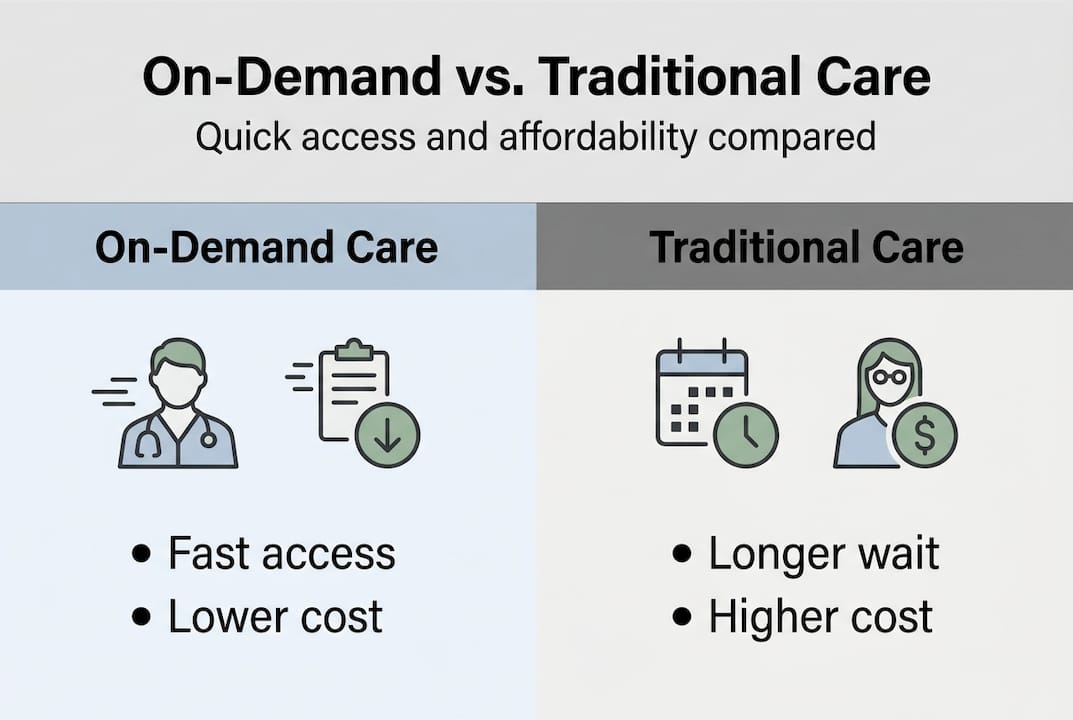
| Factor | On-demand care | Traditional care |
|---|---|---|
| Speed | Same day or faster | Days to weeks |
| Cost without insurance | Low, transparent | High, often unclear |
| Condition type | Minor, common issues | Complex, chronic, or surgical |
| Physical exam needed | No | Often yes |
| Prescription access | Yes, for eligible conditions | Yes |
| Continuity of care | Limited | Strong |
On-demand care prioritizes low-cost, fast virtual models, but that speed can risk care fragmentation if you’re not intentional about follow-up.
Use on-demand care when:
- Your symptoms are mild to moderate and non-emergency
- You need a prescription refill for a known condition
- It’s after hours and you can’t wait for your regular provider
- You want to avoid a costly ER visit for something minor
Choose traditional in-person care when:
- Symptoms are severe, worsening quickly, or unusual
- You need lab work, imaging, or a physical exam
- You’re managing a complex or long-term condition
- You need a specialist referral
For everyday health concerns, everyday online care is often the fastest, most affordable path forward. The key is knowing your own situation well enough to choose wisely.
Beyond the hype: What most guides miss about on-demand healthcare
Most articles about on-demand healthcare focus on the wins: the speed, the savings, the convenience. And those wins are real. But there’s a side of this model that doesn’t get enough attention, especially for people without insurance who may lean on it heavily.
The risk of fragmented care is real. When you see a different provider every time, no one has the full picture of your health. A symptom that looks minor in isolation might be a warning sign in context. On-demand care offers convenience for the uninsured but risks care fragmentation without continuity, and that’s a trade-off worth taking seriously.
Here’s what we’ve learned: the people who get the most out of on-demand healthcare are the ones who use it intentionally. They know it’s a tool, not a complete solution. They keep a simple personal health log, noting what conditions they’ve been treated for, what medications were prescribed, and what follow-up was recommended. That record becomes a bridge when they switch providers or eventually connect with a primary care doctor.
The telemedicine affordability lessons we’ve seen play out consistently show that affordable care and smart care aren’t mutually exclusive. You just have to be an active participant in your own health story.
Get fast, affordable care for common conditions with Chameleon
Now that you have a clear picture of when and how on-demand healthcare works, the next step is finding a platform you can actually trust.
Chameleon Healthcare makes it simple to get same-day care for everyday conditions, no insurance required. Whether you’re dealing with asthma symptoms, heartburn or reflux, a sore throat, or a skin rash, licensed providers are ready to help from your phone or computer. Transparent pricing means no surprise bills, and fast online medical visits mean you’re not waiting days for answers. If you’re ready to take care of your health on your terms, Chameleon is here to make that easy.
Frequently asked questions
What counts as on-demand healthcare?
On-demand healthcare includes telemedicine, virtual doctor visits, home health services, and mobile clinics offering quick access to non-emergency care, often without insurance.
Is on-demand healthcare safe for serious medical problems?
No. On-demand care is best for common or minor issues. Emergencies and severe conditions require immediate in-person treatment.
How much can I save using on-demand healthcare instead of urgent care or ER?
Telehealth visits can be 70 to 90 percent cheaper than emergency room visits, which often cost $1,500 to $3,000 or more without insurance.
What happens to Medicare telehealth after January 2026?
Medicare telehealth flexibilities for non-behavioral health services are currently set to end in January 2026, meaning coverage options may change significantly for affected users.
Recommended
- Blog Articles | Chameleon
- Blog Articles | Chameleon
- Blog Articles | Chameleon
- How to Get Telehealth Care Without Insurance Coverage | Chameleon
- Accessible Dental Care 2026: Options For Inland Empire Families
- Top 6 advantages of online pharmacies for convenient healthcare | Mybestpharmacy.net | Online Pharmacy