
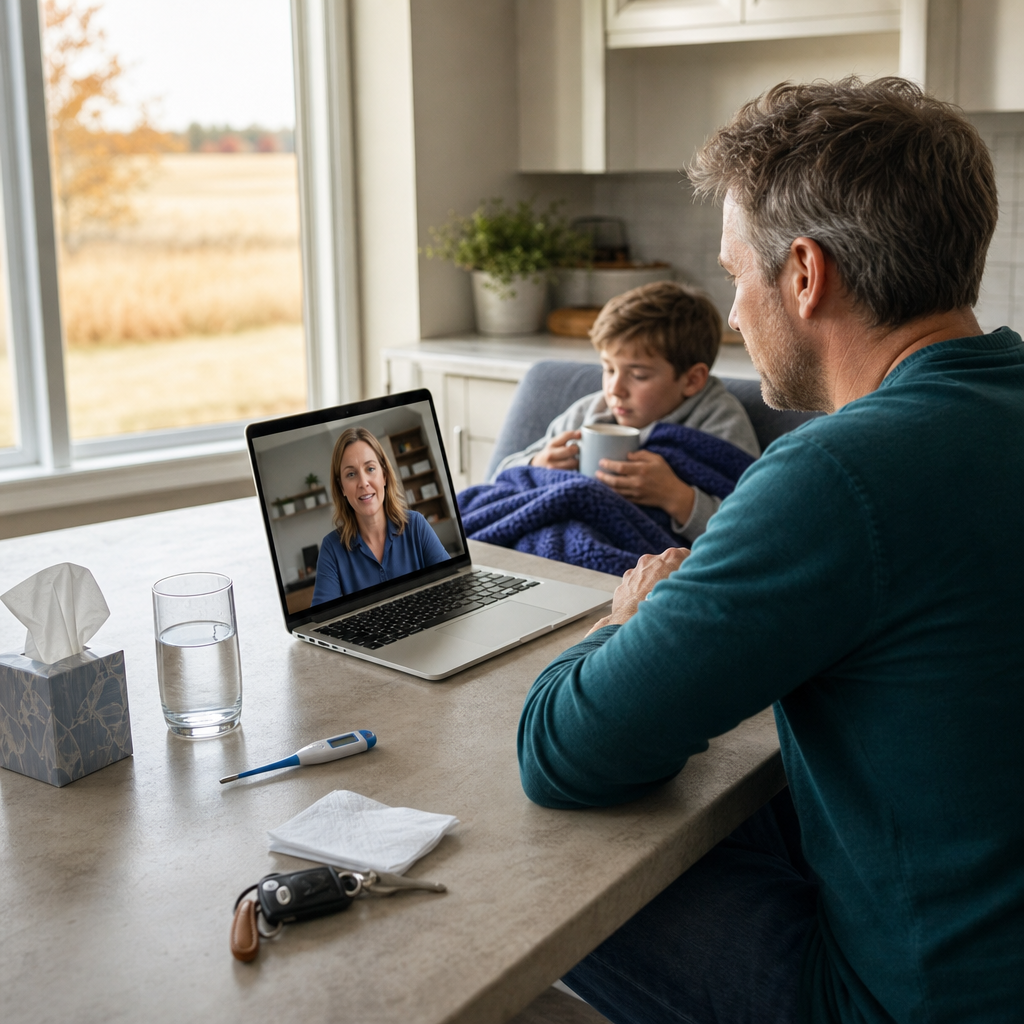
Same Day Online Doctor Nebraska: What Patients Should Expect from a Virtual Visit
A same day online doctor Nebraska visit lets eligible patients connect with a Nebraska-licensed healthcare provider for timely evaluation of common, non-emergency symptoms. Depending on the telehealth service and medical concern, the clinician may assess symptoms through secure messaging, uploaded photos, a phone call, video consultation, or a combination of these methods.
For busy Nebraska families, virtual urgent care and online medical care can provide a practical alternative to a waiting room for many routine health concerns. Patients can often submit a request from home, receive a remote medical evaluation, and get treatment guidance or an electronic prescription when clinically appropriate. Here is what to expect from scheduling through follow-up, including technology requirements, costs, prescriptions, and situations that require in-person or emergency care.
Key Takeaways
| Point | Details |
|---|---|
| Same-day access | Many patients can request care and communicate with a Nebraska-licensed provider on the same day, subject to provider availability and clinical eligibility. |
| Simple technology | A smartphone, tablet, or computer with reliable internet is generally enough. Text-first care may not require a live video call. |
| Common conditions | Telehealth may be appropriate for minor infections, rashes, allergy symptoms, stomach concerns, and other non-emergency issues. |
| Transparent next steps | The provider may recommend home care, prescribe medication when medically appropriate, or direct you to an in-person clinic. |
| Emergency limits | Chest pain, severe breathing difficulty, stroke symptoms, major trauma, or other potentially life-threatening symptoms require emergency care. |
Table of Contents
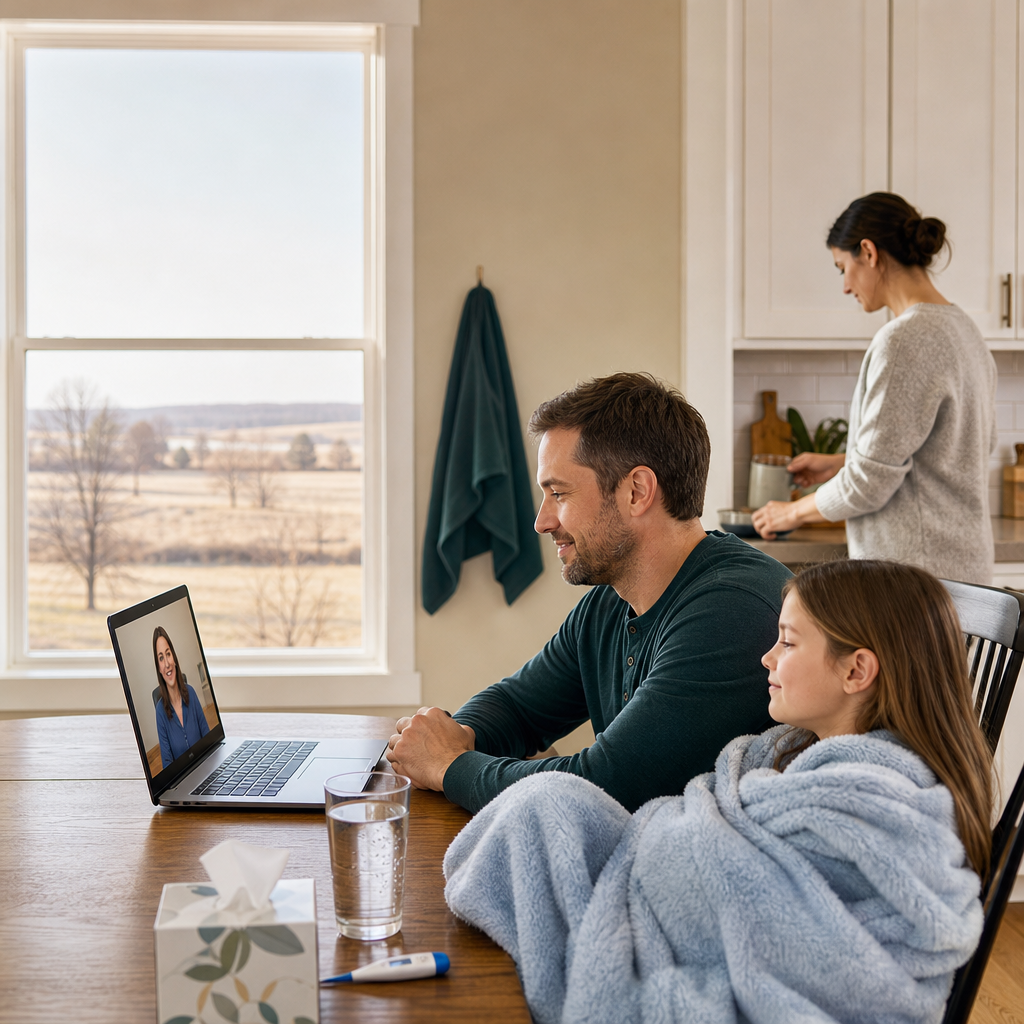
How a Same Day Online Doctor Nebraska Visit Works
A Nebraska online doctor same-day appointment typically begins with a short digital intake form. You provide your symptoms, health history, allergies, current medications, and preferred pharmacy so the clinician has the information needed to evaluate your concern. You may also need to confirm your identity, age, and physical location because medical licensing requirements generally apply where the patient is located during the consultation.
Depending on the platform and condition, the provider may respond through secure messaging or request photos, a phone conversation, or a video visit. ChameleonMD uses a text-first approach designed to make virtual urgent care services in Nebraska convenient for people who may not have time for a traditional appointment. Patients new to the process can also review this guide on how to see an online doctor in Nebraska without leaving home.
What happens during the consultation?
The provider reviews your information, asks follow-up questions, and determines whether a remote assessment is medically appropriate. A virtual doctor visit Nebraska residents use for urgent needs should still involve genuine clinical review; it is not an automated diagnosis or a guaranteed prescription. The clinician considers your symptoms, medical history, medication risks, allergies, and any photographs or home measurements you supply.
- Submit your symptoms and relevant medical history.
- Upload clear photos when requested, such as images of a rash or irritated eye.
- Answer follow-up questions through secure messaging.
- Receive a care plan, prescription when appropriate, or referral for in-person evaluation.
- Follow the provider’s instructions for monitoring and follow-up.
Clinical perspective: Same-day telehealth works best when patients provide complete, accurate information and understand that a provider may recommend an examination, laboratory test, imaging, or emergency evaluation when remote care is not sufficient.
Response times vary based on demand, the complexity of your concern, and provider availability. “Same day” does not always mean an instant reply, but it can offer a faster path to appropriate care than waiting several days for a routine appointment. Submitting complete information and clear images at the start may help the clinician evaluate the concern more efficiently.
Get same-day Nebraska care from ChameleonMD
Conditions Commonly Treated Through Nebraska Telehealth Urgent Care
Nebraska telehealth urgent care is designed for common, time-sensitive concerns that are not life-threatening. Examples may include cold or flu-like symptoms, sinus complaints, seasonal allergies, uncomplicated urinary symptoms, pink eye, minor skin concerns, and mild stomach issues. The service’s symptoms and conditions directory can help patients review concerns that may be suitable for online evaluation.
Not every symptom can be safely diagnosed online. Your clinician may recommend testing or an examination if the condition could have several causes, symptoms are severe, or vital signs and hands-on evaluation are important. For example, some mild rashes and skin conditions may be assessed with clear images, while a rapidly spreading rash accompanied by facial swelling or difficulty breathing needs urgent in-person or emergency attention.
| Concern | May Be Appropriate Online | May Require In-Person Care |
|---|---|---|
| Cold, cough, or sinus symptoms | Mild to moderate symptoms without breathing difficulty | Low oxygen, severe shortness of breath, or worsening symptoms |
| Urinary symptoms | Typical mild symptoms in an appropriate adult patient | Fever, back pain, pregnancy, recurrent infections, or severe illness |
| Rash or skin irritation | Localized symptoms that can be shown in clear photographs | Rapid spreading, severe pain, facial swelling, or trouble breathing |
| Eye irritation | Mild redness or discharge without injury or vision changes | Vision loss, chemical exposure, significant pain, or eye trauma |
| Nausea or diarrhea | Mild symptoms without signs of dehydration | Severe pain, blood, fainting, persistent vomiting, or dehydration |
Concerns such as bladder infection or UTI symptoms may be suitable for telemedicine in some adult patients, but fever, flank pain, pregnancy, recurrent infections, or significant illness can change the appropriate level of care. Similarly, mild eye redness may be evaluated online, while eye trauma, chemical exposure, severe pain, light sensitivity, or changes in vision require prompt examination.
The Centers for Disease Control and Prevention explains that antibiotics do not treat viral infections, including colds and flu. A telehealth provider will prescribe only when a medication is clinically appropriate, rather than simply because a patient requests it. Responsible antibiotic prescribing helps reduce side effects and the development of antibiotic resistance.

Technology Requirements and How to Prepare
Most same day telemedicine Nebraska services require a connected smartphone, tablet, or computer. You may also need a camera and microphone if video is requested, although a secure messaging-based consultation can often be completed without scheduling a live call. Make sure the device is charged and that you can receive notifications so you do not miss follow-up questions from the provider.
Choose a private location with a reliable connection and enough lighting for photos or video. The U.S. Department of Health and Human Services recommends testing your device, connection, camera, and microphone before a video appointment. If another person will assist you, such as a caregiver, let the clinician know who is present.
Online visit preparation checklist
- Your legal name, date of birth, and current Nebraska location
- A brief timeline of symptoms and anything that makes them better or worse
- Current medications, supplements, allergies, and relevant diagnoses
- Temperature or other home readings, if available
- Clear photographs taken in good lighting when relevant
- Your preferred pharmacy’s correct name and location
- Insurance information if the platform accepts or bills insurance
Pro Tip: Write down when your symptoms began and list treatments you have already tried. This gives the provider a clearer picture and may reduce back-and-forth questions during your online medical consultation Nebraska visit.
When taking a photo, use natural or bright indirect light, keep the camera steady, and include both a close view and a wider view when appropriate. Do not apply filters or edit the image because altered colors can make a skin or eye concern harder to assess. If possible, have your medication bottles nearby so you can confirm exact names and doses.
Use a private, trusted internet connection when possible and keep your login information secure. Avoid sending sensitive medical details through ordinary email or social media unless the healthcare service specifically directs you to an approved channel. For general information about patient privacy protections, review the HHS overview of HIPAA rights.
Costs, Insurance, Prescriptions, and Follow-Up Care
Virtual visit costs vary by provider, platform, membership, and insurance plan. Before submitting a request, check whether the service charges per visit, uses a membership model, accepts insurance, or requires self-payment. ChameleonMD patients can explore plans to understand available care access and member benefits.
Insurance coverage is not universal, and deductibles or copays may still apply. Ask whether the provider is in your plan’s network, whether prior authorization is required, and whether prescriptions, testing, or referrals create separate charges. The Nebraska Department of Insurance can provide consumer information, but questions about a specific benefit should go directly to the insurer using the number on the member ID card.
Can an online doctor prescribe medication?
A licensed provider may send an electronic prescription to a Nebraska pharmacy when the diagnosis, patient history, and applicable prescribing rules support it. A prescription is never guaranteed, and some medications or conditions require an in-person examination, testing, or more extensive monitoring. Telehealth services may also have policies that limit the medications they prescribe remotely.
If medication is prescribed, confirm the pharmacy and review dosage, side effects, interactions, and reasons to seek additional care. Tell the clinician about pregnancy, breastfeeding, kidney or liver disease, drug allergies, and all prescription medicines, over-the-counter products, vitamins, and supplements you use. The provider may recommend nonprescription treatment, rest, fluids, testing, or an in-person evaluation instead of a prescription.
Follow-up instructions should tell you what improvement to expect and when to seek more help. If symptoms worsen, do not improve within the stated timeframe, or new warning signs develop, contact the service again or arrange in-person care. Keep a copy of your care plan and medication instructions, and do not share prescribed medication with another person even if their symptoms seem similar.
When to Choose Telehealth, In-Person Care, or Emergency Care
Telehealth is often a sensible first step for a stable, non-emergency concern that can be evaluated through conversation, health history, home measurements, and images. An in-person clinic is more appropriate when you need laboratory testing, imaging, stitches, a detailed physical examination, or treatment that cannot be provided remotely. Understanding when to use telehealth in Nebraska can help you select the right level of care.
Call 911 or seek emergency care for possible heart attack or stroke, severe breathing difficulty, major trauma, uncontrolled bleeding, loss of consciousness, severe allergic reaction, poisoning, or other potentially life-threatening symptoms. The American Heart Association lists heart attack warning signs, while the CDC explains common stroke symptoms. Do not wait for a telehealth response when symptoms may be life-threatening.
| Care Option | Best Fit | Examples |
|---|---|---|
| Same-day online care | Stable, non-emergency symptoms that can be assessed remotely | Minor rash, allergy symptoms, mild respiratory symptoms, uncomplicated urinary concerns |
| In-person clinic | Symptoms requiring examination, testing, imaging, or a procedure | Possible fracture, deep cut, persistent abdominal pain, significant ear pain |
| Emergency care | Potentially life-threatening or rapidly worsening symptoms | Chest pressure, stroke signs, severe breathing difficulty, major injury |

When you are uncertain, describe your symptoms honestly and include any warning signs, recent injuries, pregnancy status, chronic medical conditions, or major changes in your health. A Nebraska-licensed provider can help determine whether online care is reasonable, but virtual urgent care is not a replacement for emergency services.
Get same-day Nebraska care from ChameleonMD
Frequently Asked Questions
Can I see an online doctor the same day in Nebraska?
Often, yes. Same-day availability depends on provider capacity, the time of your request, your physical location, and whether your condition is suitable for virtual care. Submit complete information as early as possible, but seek emergency help immediately for severe or life-threatening symptoms.
Do I need a video call for a same-day online doctor visit?
Not always. Text-first services may use secure messaging and photos, but the provider can request a phone or video conversation if needed for a safe assessment. Some symptoms cannot be adequately evaluated through messaging alone.
Can a Nebraska online doctor prescribe antibiotics?
A licensed provider can prescribe antibiotics when medically appropriate and legally permitted. Antibiotics are not useful for viral illnesses and are not guaranteed after an online consultation. The clinician may recommend symptom management, testing, or an in-person examination instead.
What conditions can Nebraska telehealth urgent care treat?
Telehealth may address minor respiratory symptoms, allergies, uncomplicated urinary symptoms, pink eye, mild stomach concerns, and some skin conditions. The provider may refer you for testing or in-person care when a remote assessment is insufficient.
Does insurance cover a virtual doctor visit in Nebraska?
Coverage depends on your insurer, plan, network, deductible, and the telehealth provider. Confirm benefits with both the service and your insurance company before starting care if cost is a concern. Ask whether medication, laboratory testing, or follow-up services involve separate charges.
Can children use same-day online medical care in Nebraska?
Some telehealth services evaluate children, but age limits and eligible conditions vary. A parent or legal guardian generally must participate, and infants or children with serious symptoms may need prompt in-person care. Breathing difficulty, unusual sleepiness, dehydration, seizures, or a rapidly worsening illness require urgent medical attention.
Can I use Nebraska telehealth while traveling?
Medical licensure rules usually depend on where the patient is physically located during the consultation. If you are outside Nebraska, tell the provider before beginning because they may not be authorized to treat you in that state.
What happens if an online doctor cannot treat my condition?
The provider should explain why remote care is not appropriate and direct you to an in-person clinic, testing site, urgent care center, or emergency department. A safe referral is a normal and responsible outcome of a telehealth assessment.
Recommended Reading
- How to See an Online Doctor in Nebraska Without Leaving Home
- Telehealth in Nebraska: What It Is, How It Works, and When to Use It
- 7 Reasons Nebraska Families Choose Telehealth for Everyday Health Needs
Get same-day Nebraska care from ChameleonMD