
TL;DR:
- Online health conditions are increasingly treatable via virtual platforms like telehealth, covering everything from minor illnesses to chronic disease management. Certain acute issues such as UTIs, sinus infections, and mental health concerns respond well to telehealth services, supported by video visits and secure messaging. However, some diagnostics and treatments still require in-person care, especially for procedures like mammograms or lab draws, emphasizing the importance of understanding telehealth’s scope and limitations.
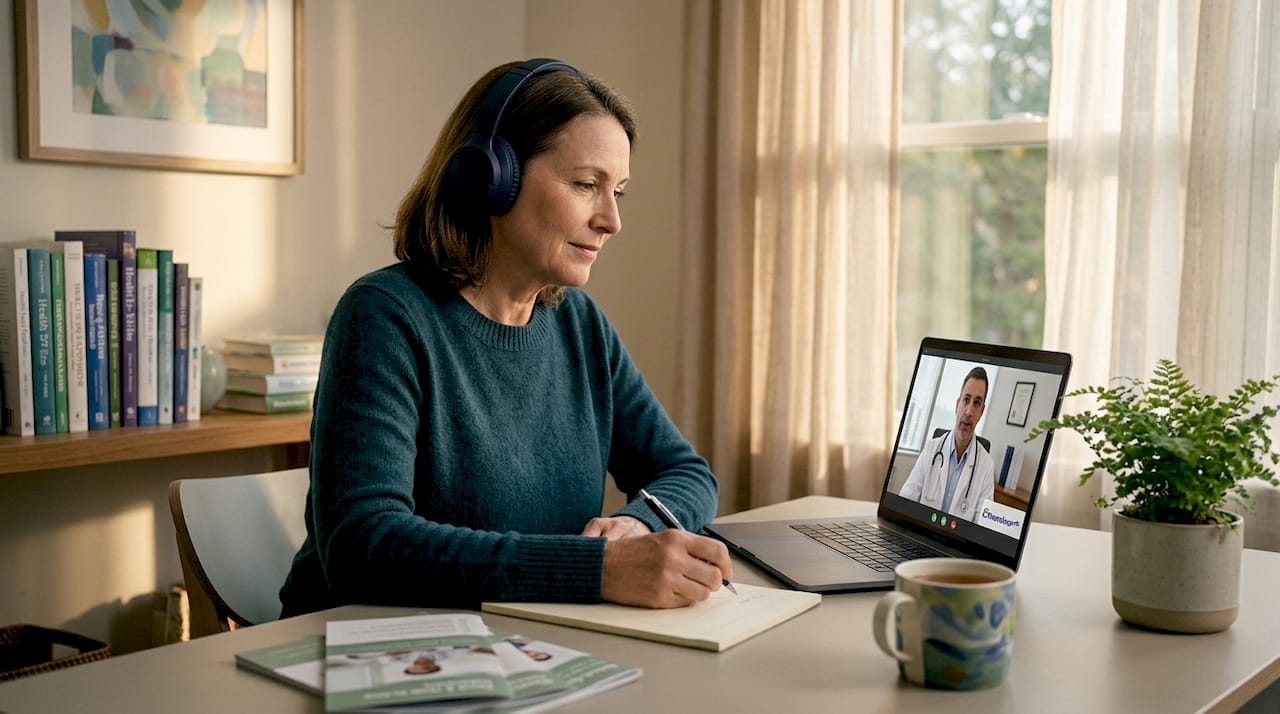
Health conditions treatable online are those diagnosed, managed, or treated through virtual care platforms, including video visits, secure messaging, and remote monitoring tools like blood pressure cuffs and glucose meters. Telehealth, the recognized industry term for this model of care, has expanded well beyond simple consultations. Today, platforms like Chameleonhc, Teladoc, and Kaiser Permanente handle everything from sinus infections to diabetes management without you leaving home. With 2026 DEA prescribing flexibilities now in place, licensed providers can even prescribe Schedule II through V controlled substances remotely under specific conditions, making virtual care more capable than most people realize.
1. Which common acute conditions can be treated online
Acute conditions are the most common reason people turn to virtual medical care, and most minor illnesses respond well to a telehealth visit. Video, phone, and e-visit options cover a wide range of everyday health concerns, often with advice returned within four hours through an e-visit questionnaire. You do not need to sit in a waiting room to get real, effective care for the following:
- Cold and flu symptoms: A licensed provider can assess your symptoms, rule out complications, and recommend treatment or antiviral medications.
- Sinus infections: Online sinus infection treatment is one of the most requested telehealth services, especially in winter months when congestion and facial pressure are common.
- Urinary tract infections (UTIs): Straightforward UTIs are highly manageable online. Providers can review symptoms and send a prescription to your pharmacy the same day.
- Skin rashes, bug bites, and minor infections: Photos submitted through a secure platform allow providers to assess and treat many dermatological concerns without an office visit.
- Pink eye (conjunctivitis): Symptoms like redness, discharge, and irritation are easy to evaluate virtually, and antibiotic drops can be prescribed online.
- Sore throat and strep throat: A provider can assess symptom patterns and, where appropriate, prescribe antibiotics based on clinical criteria.
- Anxiety and depression: Teletherapy and online psychiatry have made mental health support far more accessible. Licensed therapists and prescribers are available through video or messaging platforms.
Pro Tip: Before your visit, write down your symptoms, when they started, and any medications you are currently taking. This makes your virtual appointment faster and more productive.
2. How chronic conditions are managed through telehealth

Chronic disease management is where telehealth truly demonstrates its depth. Telehealth manages chronic conditions through video visits, secure messaging, and remote monitoring devices, creating a continuous care model rather than a series of isolated appointments. This ongoing approach is especially valuable for patients managing multiple conditions or living in areas with limited specialist access.
Here is how common chronic conditions are handled online:
- Diabetes: Telehealth reduces A1C by 0.6% compared to usual care through medication reviews, prescription refills, coaching, and lab interpretations. That reduction is clinically meaningful and translates to lower risk of long-term complications.
- Hypertension: Remote blood pressure cuffs transmit readings directly to your care team. Providers can adjust medications between visits rather than waiting for your next scheduled appointment.
- Asthma: Remote monitoring can detect early signs of an asthmatic episode, allowing providers to intervene before symptoms escalate. Medication adjustments and inhaler guidance happen virtually.
- Arthritis: Pain management, medication reviews, and physical therapy referrals are all manageable through virtual visits, reducing the burden of frequent travel for patients with mobility challenges.
- Mental health conditions: Ongoing therapy and psychiatric medication management are among the most widely used chronic care telehealth services, with consistent evidence supporting their effectiveness.
Remote monitoring devices can detect hyperglycemia, heart-rate abnormalities, and asthmatic episodes, giving your care team real-time data between visits. Clinicians value trends in that data far more than isolated readings, because patterns reveal what a single measurement cannot.
Pro Tip: If you use a remote monitoring device, log your readings consistently rather than only when you feel unwell. Trend data is what allows your provider to make accurate, timely adjustments.
3. Which conditions still require in-person care
Telehealth is capable, but it has clear boundaries. Some diagnostics and treatments require physical presence to maintain clinical accuracy and patient safety. Knowing where those limits are helps you make smarter decisions about when to book a virtual visit and when to head to a clinic.
| Condition or Service | Can Be Treated Online? | Why In-Person Is Required |
|---|---|---|
| Mammogram or breast imaging | No | Requires physical imaging equipment |
| Cardiac stress test | No | Requires monitored physical exertion |
| Lab work (blood draw, cultures) | No | Requires sample collection |
| Sinus infection (uncomplicated) | Yes | Symptom-based diagnosis is sufficient |
| UTI (uncomplicated) | Yes | Clinical criteria met without exam |
| High-risk insulin titration | Limited | Requires close monitoring and labs |
| Controlled substance prescriptions | Conditional | Allowed remotely through December 31, 2026 under DEA rules |
| Ear wax removal | No | Requires physical examination and tools |
Ear conditions are a useful example of where virtual care supplements but does not replace a physical exam. Immediate ear care requires hands-on assessment to rule out infection, perforation, or blockage that a camera cannot fully capture. For emergencies like chest pain, difficulty breathing, or signs of stroke, skip telehealth entirely and call 911 or go to an emergency room.
4. Key benefits and challenges of online health treatments
Virtual care offers real advantages, and it also comes with honest limitations. Understanding both helps you use telehealth well rather than relying on it in situations where it falls short.
Benefits of treating health conditions online:
- No waiting rooms, no travel time, and same-day access for many conditions
- Access to specialists you might not have locally, including dermatologists, psychiatrists, and endocrinologists
- Continuous monitoring for chronic conditions through connected devices
- Flexible scheduling that fits around work, childcare, and other commitments
- Clear, upfront pricing with services like Chameleonhc that do not require insurance
Challenges to be aware of:
- Technology access and reliable internet are prerequisites, which creates barriers for some patients
- Physical examination limitations mean some diagnoses cannot be confirmed remotely
- Privacy and data security require HIPAA-compliant platforms, so not every app or messaging tool qualifies
Virtual care offers convenience and specialist access but faces real challenges around technology access and clinical scope. The patients who benefit most are those with manageable conditions, consistent internet access, and a clear understanding of when to escalate to in-person care. For a deeper look at how these trade-offs play out, the pros and cons of virtual healthcare are worth reviewing before you commit to a care model.
5. How to choose the right telehealth solution for your needs
Not every telehealth platform is built for the same purpose. Choosing the right one depends on what you need, how urgently you need it, and whether your condition requires ongoing management or a one-time visit.
- For urgent, one-time issues like a UTI, sore throat, or rash, look for a platform with 24/7 availability and same-day prescribing. Chameleonhc offers same-day access without insurance requirements, which removes a common barrier.
- For chronic condition management, prioritize platforms that support remote monitoring integration, care coordination between providers, and medication management over time.
- For mental health support, look for services with licensed therapists and psychiatrists available via video or messaging, with flexible scheduling and subscription options.
- For families, same-day online visits reduce the logistical burden of getting everyone to a clinic, especially for minor illnesses that do not require a physical exam.
- Subscription plans offer the best value if you anticipate regular visits. Membership-based models like those offered by Chameleonhc provide predictable costs and faster access compared to pay-per-visit models.
When preparing for a virtual visit, have your symptom history, current medications, and any relevant photos or readings ready before you connect. Scheduling tips for online visits can help you avoid delays, especially before weekends when provider availability shifts. If your symptoms worsen during or after a virtual visit, your provider should give you clear guidance on when to seek in-person or emergency care.
6. What the growth of telehealth actually means for you
The expansion of telehealth since 2020 has not just added convenience. It has changed what accessible healthcare looks like for millions of people. I have watched this shift closely, and the most important thing I can tell you is this: telehealth is not a lesser version of care. For the right conditions, it is often better.
The DEA’s extended prescribing flexibilities through 2026 are a signal that regulators recognize what patients already know. Virtual care works, and restricting it too quickly would create a real gap in access. That matters most for people in rural areas, those without reliable transportation, and anyone managing a condition that requires frequent check-ins but not necessarily a physical exam.
What I find underappreciated is the chronic care model. Most people think of telehealth as a quick fix for minor illnesses. The reality is that combining real-time visits with continuous remote monitoring creates an ongoing management model that outperforms the traditional quarterly office visit for many patients. A blood pressure reading your provider sees in real time is worth more than one taken six months apart in a clinic.
My advice is to use telehealth proactively, not just reactively. Do not wait until a condition worsens to connect with a provider. A quick check-in when symptoms first appear often prevents a more serious and more expensive problem later.
— Vector
Get fast, affordable care with Chameleonhc
If you are ready to handle your health concerns without the wait, Chameleonhc makes it straightforward. Licensed providers are available for same-day visits, no insurance required, and clear pricing means no surprises.
Whether you are managing asthma online, dealing with low back pain, or looking for ongoing care through a subscription plan, Chameleonhc has a path that fits your situation. You can also explore virtual care for everyday health issues to see the full range of conditions handled online. Getting started takes minutes, and your provider connects with you on your schedule, from your phone or computer.
FAQ
What health conditions can be treated online?
Conditions like UTIs, sinus infections, sore throat, rashes, anxiety, depression, and chronic diseases such as diabetes and hypertension are all manageable through telehealth. Video visits and e-visits cover a wide range of acute and ongoing health needs.
Can a telehealth provider prescribe medication online?
Yes. Licensed telehealth providers can prescribe many medications, including certain controlled substances, through December 31, 2026, under DEA telemedicine rules. Prescriptions are sent directly to your pharmacy.
When should I go in person instead of using telehealth?
Go in person for care requiring physical tests like mammograms, stress tests, lab draws, or ear wax removal. For emergencies like chest pain or difficulty breathing, call 911 immediately.
Is telehealth effective for managing chronic conditions?
Telehealth is highly effective for chronic care. Diabetes management via telehealth reduces A1C by 0.6% compared to standard care, and remote monitoring devices support real-time intervention for conditions like hypertension and asthma.
Do I need insurance to use telehealth?
No. Platforms like Chameleonhc provide telehealth services without requiring insurance, with transparent pricing and same-day access for most conditions.
Key takeaways
Telehealth is most effective when matched to the right condition, supported by remote monitoring for chronic care, and used within its clinical limits.
| Point | Details |
|---|---|
| Acute conditions respond well online | UTIs, sinus infections, rashes, and mental health concerns are all manageable through virtual visits. |
| Chronic care benefits from monitoring | Remote devices tracking blood pressure, glucose, and breathing give providers real-time data for better decisions. |
| Some care still requires in-person visits | Mammograms, stress tests, lab work, and ear procedures cannot be completed through a screen. |
| 2026 DEA rules expand prescription access | Licensed providers can prescribe Schedule II through V substances remotely under current federal guidelines. |
| Platform choice affects care quality | Match your telehealth service to your condition type, whether urgent, chronic, or mental health focused. |