
Telehealth Nebraska: What Virtual Care Treats, How It Works, and When to Use It
Telehealth Nebraska services connect patients with licensed healthcare providers through secure messaging, video, or phone for many non-emergency medical concerns. Virtual care can help with minor illnesses, allergies, visible skin conditions, medication questions, and other needs that do not require an immediate physical examination, laboratory test, or imaging.
This form of digital health makes healthcare access more practical for individuals and families who live far from a clinic, have limited transportation, or need to fit care around work and family responsibilities. This guide explains what Nebraska telemedicine can treat, how remote medical consultations work, what online doctor visits may cost, and when an in-person evaluation is the safer choice.

Key Takeaways About Telehealth Nebraska Services
| Point | Details |
|---|---|
| How telehealth works | Patients typically complete an online intake and communicate with a licensed provider by secure messaging, video, or phone. |
| What it can treat | Common uses include minor illnesses, uncomplicated skin concerns, allergies, medication questions, and other non-emergency needs. |
| When to seek in-person care | Severe symptoms, emergencies, significant injuries, and concerns requiring hands-on examination or testing need in-person evaluation. |
| Access and convenience | Many online doctor visits in Nebraska reduce travel, waiting-room time, and disruption to work or family schedules. |
| Cost and coverage | Prices and insurance benefits vary, so confirm fees, eligibility, and prescription policies before starting. |
| Choosing a provider | Look for Nebraska-licensed clinicians, clear pricing, secure technology, and a transparent process for follow-up care. |
Table of Contents
How Telehealth Nebraska Services Work
Telehealth is healthcare delivered remotely through secure digital communication. The U.S. Department of Health and Human Services explains that virtual healthcare can include video appointments, phone visits, secure messages, and remote patient monitoring, although available formats vary by provider and clinical need.
With a text-first platform such as ChameleonMD, the process commonly begins with an online health questionnaire describing your symptoms, medical history, allergies, and current medications. A licensed Nebraska provider reviews the information, asks follow-up questions through secure messaging when needed, and recommends an appropriate next step. Patients can also review the service's symptoms and conditions page before requesting care.
What happens during an online visit?
- Create an account and verify your identity and physical location.
- Describe your symptoms and upload clear photos when relevant.
- Share medications, allergies, health conditions, and pregnancy status.
- Respond to any provider follow-up questions.
- Receive a care plan, self-care guidance, or a prescription when medically appropriate.
- Follow instructions for in-person evaluation if virtual care is not sufficient.
Secure messaging can be easier than scheduling a video call when you are at work, caring for children, or managing a packed day. Same-day availability may also help you address a non-emergency concern without spending hours traveling or waiting, although response times depend on demand and clinical needs. This type of asynchronous care allows the patient and provider to exchange information without both being online at the same moment.
Get same-day Nebraska care from ChameleonMD
What Nebraska Telemedicine Services Can Treat
Nebraska telemedicine services are well suited to many common, non-emergency concerns that can be evaluated through a detailed history, visible symptoms, and targeted follow-up questions. Your provider will decide whether enough information is available to make a safe recommendation. Online medical care does not guarantee a diagnosis or prescription.
Common virtual urgent care needs may include the following, depending on symptoms, age, medical history, and provider judgment:
- Cold, flu, and other mild respiratory symptoms
- Seasonal allergies and sinus concerns
- Minor rashes, insect bites, and visible skin concerns
- Pink eye symptoms
- Uncomplicated urinary symptoms in appropriate patients
- Minor stomach or digestive complaints
- Cold sores and other straightforward concerns
- Medication questions and limited refill requests when appropriate
Families exploring virtual healthcare in Nebraska can review specific resources for concerns such as seasonal allergies, rashes and skin conditions, and bladder infection or UTI symptoms before starting. A provider may still recommend testing or an office visit when symptoms overlap with a more serious condition.

Telehealth suitability by type of need
| Healthcare need | Telehealth may be appropriate | In-person care may be needed |
|---|---|---|
| Mild cold or allergy symptoms | Yes, especially for guidance and symptom management | If breathing is difficult, symptoms are severe, or examination or testing is needed |
| Visible rash | Often, with clear photos and symptom details | If rapidly spreading, painful, blistering, or associated with breathing trouble |
| Urinary symptoms | Sometimes, based on patient history and risk factors | If fever, flank pain, pregnancy, recurrent infection, or other complications are present |
| Major injury | No | Prompt in-person assessment and imaging may be required |
| Weight management | Potentially, through structured provider-reviewed care | If examination, laboratory testing, or another clinical concern requires it |
Some services also support specialized virtual programs. For example, medically guided GLP-1 weight management may include eligibility review, licensed-provider oversight, and ongoing guidance. Medication is only one possible part of an individualized plan, and results vary. Patients considering treatment should disclose their health history, current prescriptions, and alcohol use; additional background is available in this guide to GLP-1 medications and alcohol.
Clinical principle: Telehealth is most useful when a provider can gather enough reliable information remotely to make a safe decision. A good virtual provider will redirect you rather than force a diagnosis when an examination, test, or imaging study is needed.
When In-Person or Emergency Care Is Better
Remote patient care in Nebraska adds convenience, but it does not replace every clinic, urgent care center, or emergency department. In-person care is generally more appropriate when a clinician needs to check vital signs directly, perform a physical examination, order immediate testing, close a wound, or obtain imaging.
Call 911 or seek emergency care for warning signs such as severe trouble breathing, chest pain, signs of stroke, major bleeding, loss of consciousness, a severe allergic reaction, or thoughts of self-harm. The Centers for Disease Control and Prevention provides guidance on stroke symptoms, while the National Institute of Mental Health lists immediate crisis resources.
Choose in-person evaluation for concerns such as:
- Severe or rapidly worsening symptoms
- Possible broken bones, deep cuts, or head injuries
- Severe abdominal pain or persistent vomiting
- Dehydration, confusion, fainting, or unusual weakness
- Symptoms requiring laboratory tests, cultures, or imaging
- Infants or medically vulnerable patients with concerning symptoms
Some concerns fall between routine virtual care and an obvious emergency. For example, a mild cough may be suitable for telehealth, while bluish lips, severe wheezing, or difficulty speaking in full sentences require urgent evaluation. Similarly, a minor sprain may initially benefit from guidance, but visible deformity, inability to bear weight, or severe swelling may require examination and imaging.
Pro Tip: If you are unsure where to go, begin by describing the severity and timing of your symptoms clearly. A responsible telehealth provider can tell you when virtual treatment is reasonable and when you should be evaluated locally without delay.
How to Prepare, What It Costs, and How Coverage Works
Before an online visit, gather your medication list, allergies, relevant medical history, recent temperature, and other available measurements. For a visible concern, take clear photos in good lighting from both close and wider angles. For respiratory symptoms, note when they started, possible exposures, treatments already tried, and whether the symptoms are improving or worsening.
Costs for online doctor visits in Nebraska vary by platform, service, membership, and insurance arrangement. Ask whether the listed fee includes provider review, follow-up messaging, and prescriptions when appropriate. Pharmacy charges, laboratory testing, imaging, medical devices, and outside referrals are usually separate.
Telehealth preparation checklist
| Before the visit | Why it matters |
|---|---|
| Confirm you are physically located in Nebraska | Provider licensing and care eligibility often depend on your location during the visit. |
| List current medications and allergies | This helps the provider identify interactions and avoid unsafe treatment. |
| Write down symptom timing | Onset, severity, and progression can change the recommended level of care. |
| Choose your preferred pharmacy | An accurate pharmacy name and location can prevent delays if a prescription is appropriate. |
| Check price and insurance terms | Coverage, copays, and direct-pay fees differ among plans and services. |
Insurance coverage is not identical across employers or health plans, even when Nebraska law or a plan includes telehealth benefits. Contact your insurer using the number on your card and ask about network status, copays, deductibles, reimbursement, and any restrictions on the type of virtual visit. Medicare patients can also review the official Medicare telehealth coverage page.
If a service uses direct-pay pricing, review the fee before submitting your intake and determine whether follow-up is included. Keep receipts or visit summaries if you plan to request reimbursement from an insurer, flexible spending account, or health savings account. Eligibility for reimbursement depends on the applicable plan and tax rules.
How to Choose a Nebraska Telehealth Provider
Qualified Nebraska telehealth providers should clearly identify who delivers care, how patient information is protected, what services are available, and when patients will be redirected. Verify that the clinician is licensed for the state where you are located. Nebraska credential information can be checked through the Nebraska License Information System.
Look beyond speed alone. A trustworthy service should use secure health technology, explain pricing before care begins, collect a meaningful health history, avoid guaranteeing prescriptions, and provide clear follow-up or escalation instructions. The platform should also explain how patients can ask questions after receiving a care plan and what to do if symptoms worsen.
Questions to ask before choosing a service
- Are providers licensed to treat patients located in Nebraska?
- Is care available by secure messaging, video, phone, or all three?
- How quickly are requests generally reviewed?
- What is included in the visit or membership fee?
- How are prescriptions and follow-up questions handled?
- What happens if my concern cannot be treated virtually?
- How does the platform protect personal health information?
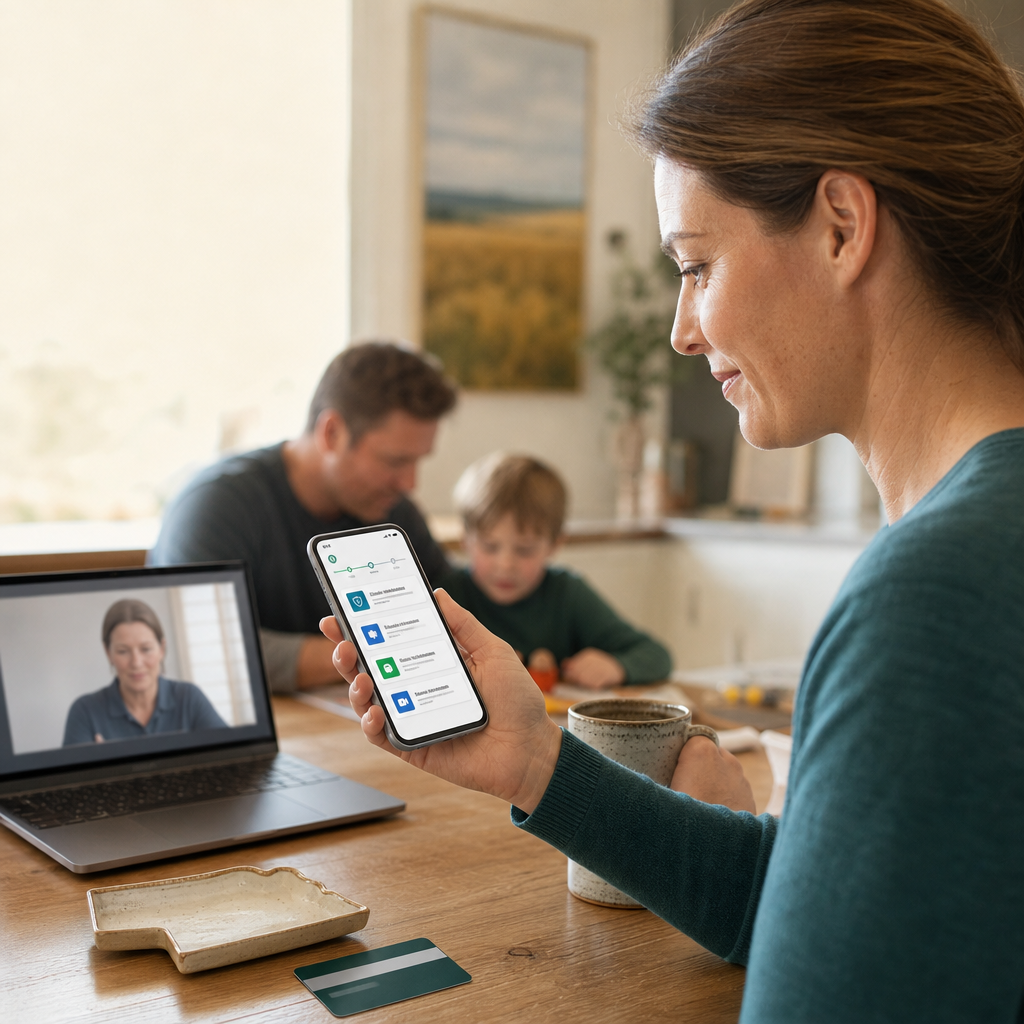
ChameleonMD is Nebraska-rooted and designed around fast, text-first access for appropriate non-emergency needs. Patients can explore available plans, read about the care team and service, or use the contact page to ask questions about eligibility, access, and next steps.
Before sharing medical information, review the provider's privacy practices and confirm that the website uses secure connections. Avoid sending health records, identification, or payment details through ordinary email or public messaging platforms unless the provider specifically supplies an approved secure method.
Get same-day Nebraska care from ChameleonMD
Frequently Asked Questions About Telehealth Nebraska
What can telehealth in Nebraska treat?
Telehealth can often address minor respiratory symptoms, allergies, uncomplicated skin concerns, pink eye symptoms, urinary symptoms in appropriate patients, and medication questions. A provider may recommend in-person care if an examination, test, or imaging study is necessary.
Can a Nebraska telehealth provider prescribe medication?
Yes, a licensed provider may prescribe medication when it is medically appropriate and permitted by state and federal rules. Completing a visit does not guarantee a prescription, and some medications require additional evaluation or cannot be prescribed through a particular platform.
Do I need to live in Nebraska to use a Nebraska telehealth service?
Licensing requirements generally depend on where you are physically located during the appointment, not only your permanent address. Confirm eligibility with the service before beginning your visit.
Is telehealth covered by insurance in Nebraska?
Coverage depends on your insurer, employer plan, network, deductible, and type of service. Contact your health plan before the visit and ask whether the provider is in-network and what cost sharing applies.
How quickly can I see an online doctor in Nebraska?
Some services offer same-day review for appropriate non-emergency concerns, but timing varies with demand and clinical complexity. Text-first care can reduce scheduling delays because patients do not always need to reserve a live video appointment.
Is secure messaging a real telehealth visit?
Yes, secure asynchronous messaging can be a valid form of telehealth when a licensed provider gathers enough information to assess the concern safely. The provider may request photos, ask follow-up questions, or recommend video or in-person care.
Can children use telehealth in Nebraska?
Many services treat children for selected concerns, but age limits and parent or guardian requirements vary. Young infants, severe symptoms, and conditions requiring a hands-on examination are more likely to need in-person care.
When should I skip telehealth and go to the emergency room?
Call 911 or seek emergency care for chest pain, severe breathing difficulty, stroke symptoms, major bleeding, loss of consciousness, severe allergic reactions, or other life-threatening symptoms. Telehealth is not an emergency response service.
Recommended Reading
Get same-day Nebraska care from ChameleonMD