

Getting reliable, affordable telehealth urgent primary care without insurance paperwork or surprise fees is harder than it should be for people and employers. Many telehealth providers either demand high monthly memberships, restrict services to specific states, or make pay-per-visit pricing unpredictable after extra diagnostics or prescriptions. This comparison shows which alternative offers transparent costs, broad access, and hassle-free virtual care so you can pick the right fit for your medical needs and budget.
Table of Contents
Chameleon Healthcare
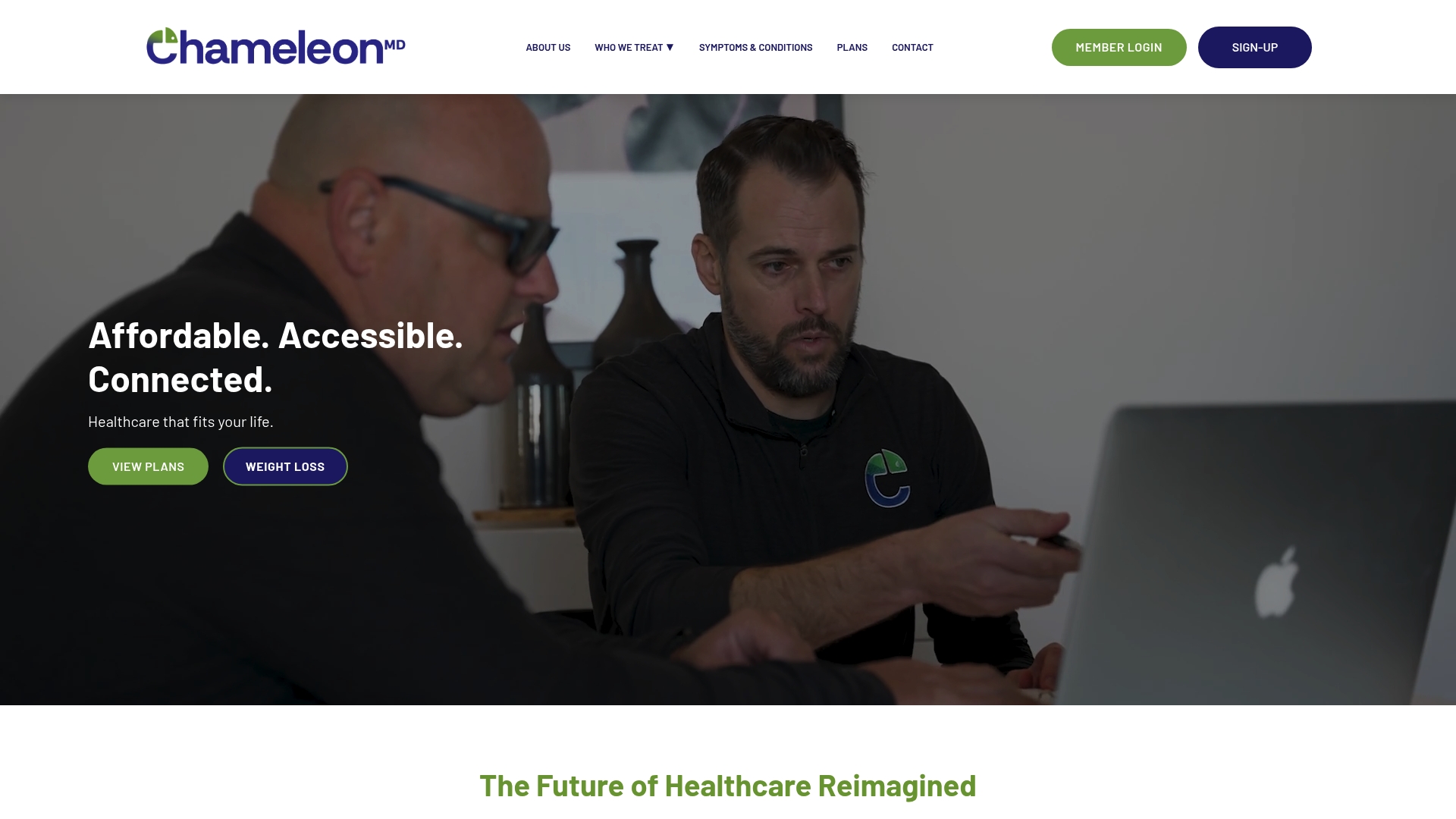
At a Glance
Unlimited virtual care for a low annual fee without insurance combines primary, urgent, and concierge services on a single platform. Chameleonhc emphasizes 24/7 access to licensed providers and upfront, flat-rate pricing that removes copays and claims for routine needs.
Core Features
-
Virtual primary and urgent care services for common conditions such as sore throat, sinus infections, and rashes, delivered by licensed providers.
-
Upfront, flat-rate pricing that lets you pay per visit or subscribe to memberships rather than use insurance and face copays.
-
24/7 access with personalized care plans for individuals, families, and organizations so ongoing needs and acute problems are handled remotely.
-
Integrated primary care, urgent care, and concierge medicine in one virtual workflow to avoid bouncing between systems.
Key Differentiator
The single most distinct feature is the combination of unlimited virtual care for a low annual fee with no insurance required. That package folds preventive visits, urgent care, and concierge-style follow up into one membership model rather than separate pay-per-visit workflows.
Pros
-
Affordable membership tiers make routine access cheaper than repeated urgent care or ER visits for minor issues. For frequent users, the math is clear.
-
No insurance required removes claims paperwork and surprise copays, which matters if you are uninsured or prefer predictable out-of-pocket costs.
-
Flexible options cover individuals, families, and employers. Small businesses can offer virtual care as a scalable benefit without complex plan administration.
-
The platform supports quick visits from phone or computer, cutting commute and waiting room time when you just need a prescription or a quick diagnosis.
-
Providers are experienced and vetted, so virtual visits feel like regular primary care rather than scripted triage.
Cons
- Not appropriate for emergency medical situations; users must seek in-person emergency care for acute, life-threatening problems.
Who It’s For
People who want routine medical access without insurance bureaucracy, busy professionals who need same-day virtual visits, families seeking remote care for kids, and small to medium employers looking for an affordable health benefit.
Unique Value Proposition
Individual memberships start at $25 per month, and family tiers begin around $45 per month. That clear, low entry price converts virtual visits from occasional fixes into predictable, budgeted healthcare access for people and employers.
Real World Use Case
A small employer signs up employees on a business membership and sees fewer sick-day interruptions. Employees book same-day virtual visits for strep, sinusitis, and medication refills, keeping productivity steady while lowering out-of-pocket costs.
Pricing
Single visits run about $55. Individual memberships start at $25 per month, family memberships at $45 per month, and business plans are customized. Specialty offerings such as a weight loss program carry separate fees.
Website: https://chameleonhc.com
NIU Health
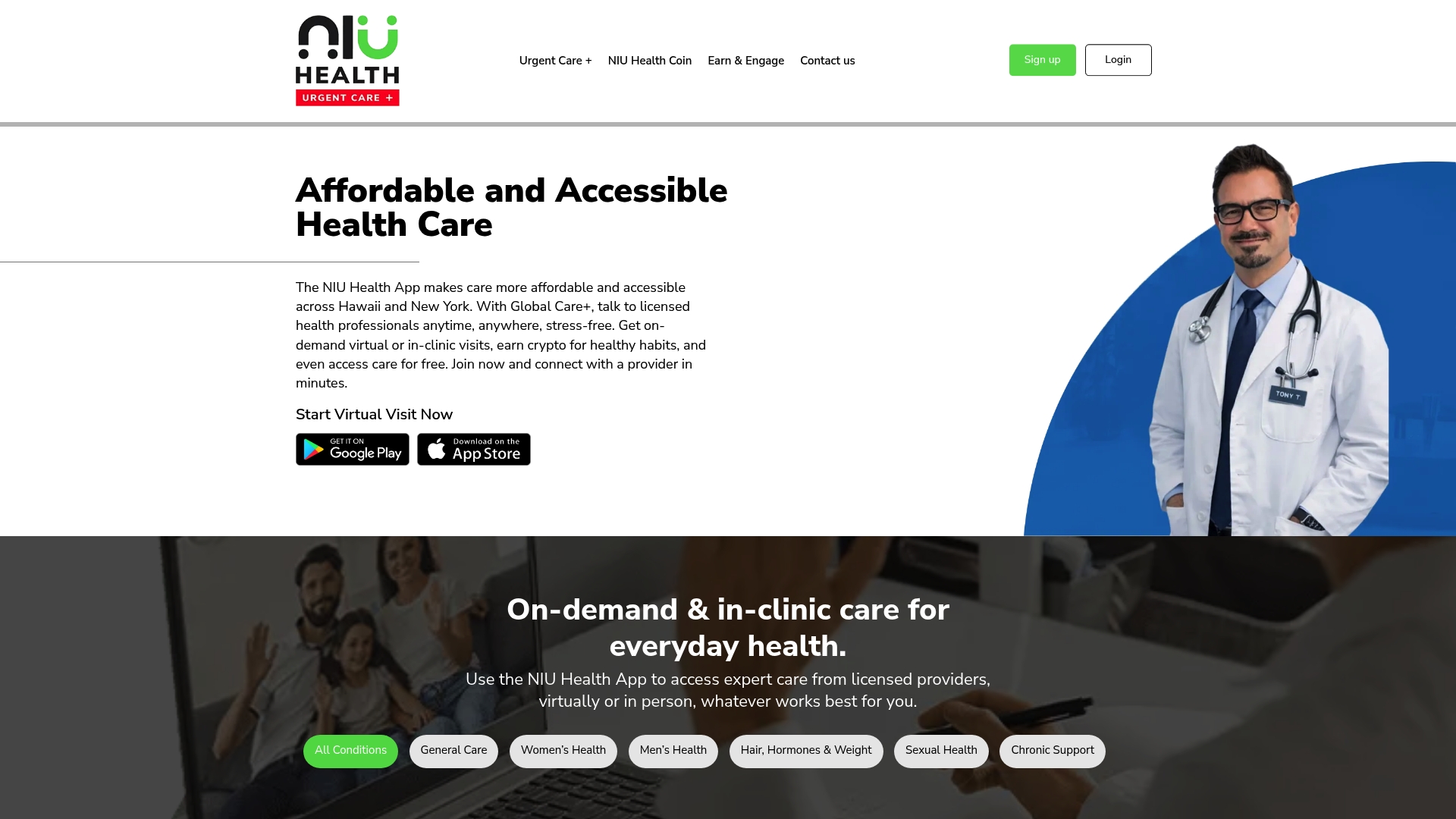
At a Glance
NIU Health ties clinical visits to a blockchain-style reward token, the NIU Health Coin, which members earn for engagement and can redeem for discounts. The service operates in Hawaii and New York and supports insured and uninsured patients.
Core Features
- On-demand virtual and in-clinic visits for urgent needs and routine follow ups.
- NIU Health Coin rewards for completing health activities, joining challenges, and engaging with community content.
- Community social platform that lets members share progress, join wellness challenges, and earn rewards.
- Chronic disease management and sexual health services alongside basic urgent care and medication options.
Key Differentiator
The core difference is the integrated crypto rewards loop. NIU Health ties patient engagement to a token economy so activities like completing educational modules or joining challenges produce redeemable value. That incentive mechanism shifts routine adherence from a suggestion to a measurable earning path.
Pros
- Offers both telehealth and brick and mortar access, which makes scheduling flexible for people who prefer video visits or local clinic appointments.
- The rewards model nudges daily habits by turning participation into tangible savings, which helps motivation for preventive care.
- Broad service mix includes urgent care, chronic condition follow up, and sexual health care, reducing the need to hop between multiple providers.
- Accessible to users with or without insurance in the two supported states, lowering financial friction for many patients.
- Community features create peer accountability and visible progress, useful for members who respond to group-based motivation.
Cons
- The model assumes comfort with digital health tools and a crypto rewards currency, which can alienate users who prefer traditional payment methods.
- Membership does not clearly include external labs or imaging; significant diagnostics may carry extra charges outside the plan.
- The service footprint is limited to Hawaii and New York, so out-of-state patients will need a different provider for local in-person care.
When It May Not Fit
If you decline interacting with cryptocurrency or prefer no tokenized rewards, this product will feel unnecessary. If your primary need is comprehensive diagnostic workups that include imaging or specialty lab panels, expect additional out-of-pocket costs.
Who It’s For
Tech-literate adults living in Hawaii or New York who value low monthly fees, fast access, and social motivation. Ideal for people managing chronic conditions who want affordable follow up and for users who respond to points, discounts, and community challenges.
Real World Use Case
A member in Hawaii joins the $29.99 plan, books a same-day virtual consultation for a seasonal respiratory issue, completes a follow up education module, and earns NIU Health Coins. The member then redeems coins for a medication discount and a ride credit.
Pricing
Membership is $29.99/month and includes virtual and in-person visits. Labs, imaging, and certain tests are likely extra and billed separately from the monthly fee.
Website: https://niuhealth.com
DirectMed DPC
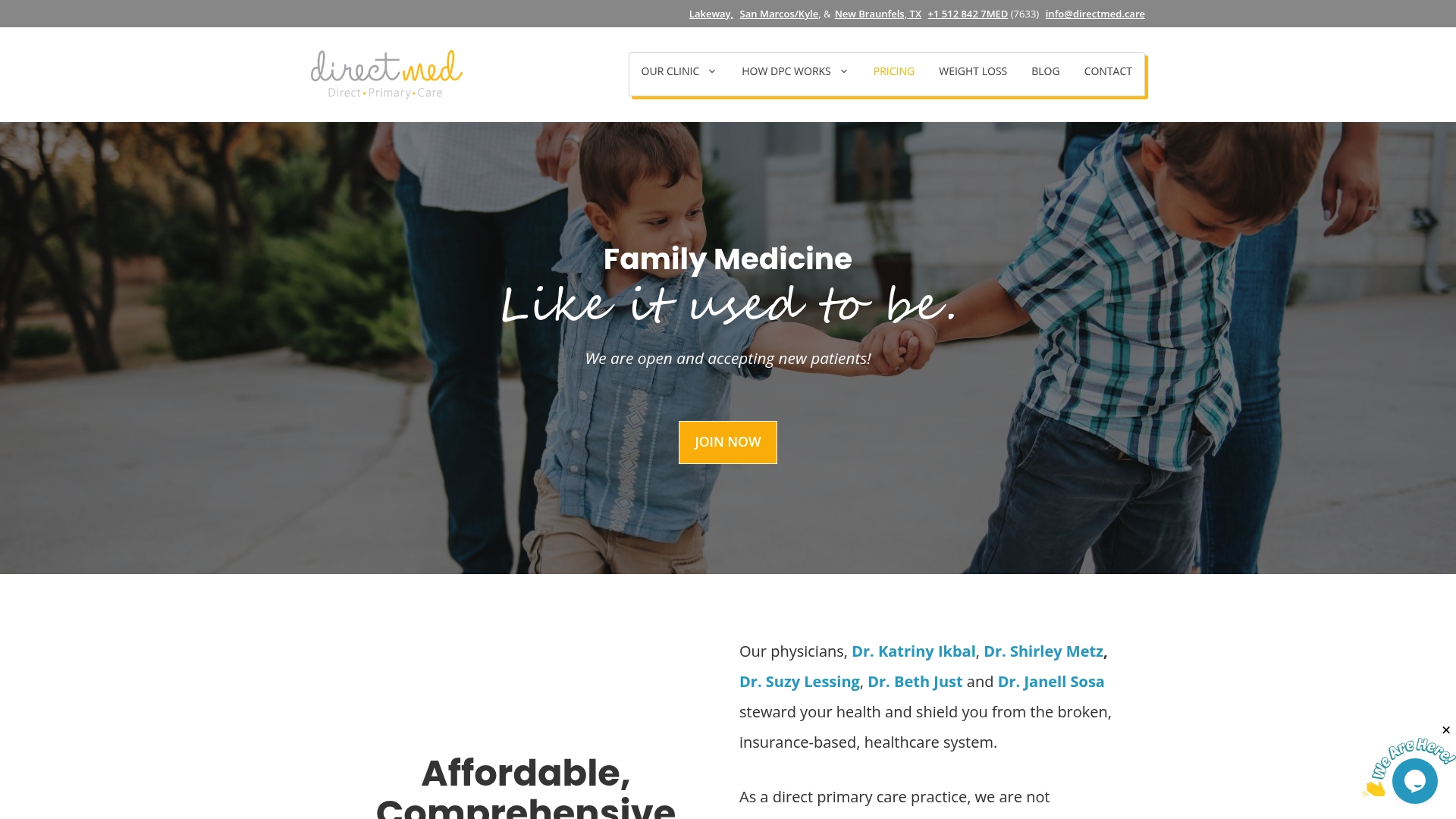
At a Glance
Adult individual membership starts at $119/month, and that fee covers routine visits and many primary care touchpoints that would otherwise generate copays. The practice operates clinics across Central Texas and centers care on ongoing doctor patient relationships.
Core Features
- Membership-based primary care with unlimited visits for routine and many acute needs.
- Direct access to physicians by phone, text, email, and video for quick follow ups.
- Comprehensive annual physicals and wellness care focused on prevention.
- Chronic disease management for hypertension, diabetes, cholesterol, and thyroid conditions.
- Acute care handled in-office or virtually for minor illnesses and injuries.
Key Differentiator
The most distinct element is the subscription model that removes insurance intermediaries and shifts cost predictability to a monthly membership. That structure lets clinicians offer longer visits and relationship-driven care rather than 10 minute encounters focused on billing.
Pros
- Affordable predictable pricing. The $119/month entry point makes budgeting healthcare straightforward for many adults and small families.
- Longer appointments and continuity. Patients report more time with their physician and fewer fragmented handoffs.
- Lower administrative friction. Avoiding insurance billing reduces surprise bills and often speeds access to care.
- Built-in virtual access. Phone, text, and video options reduce missed work and eliminate unnecessary urgent care visits.
Cons
- Limited scope beyond primary care. Hospitalizations, major surgeries, and some specialist procedures sit outside membership coverage and will trigger separate billing.
- Potential out-of-pocket costs. Services not covered by the membership may create higher expenses compared with some insurance plans for high-cost events.
- Varying physician availability by location. Access depends on which clinic you join and which clinicians are accepting new members.
When It May Not Fit
If you rely on comprehensive insurance for hospital coverage, DirectMed DPC will be a supplement rather than a replacement. Serious acute events that require inpatient care or specialist surgery still need separate insurance or billing pathways.
If your family has complex specialist needs or frequent hospital admissions, the membership model could increase your overall out-of-pocket spend.
Who It’s For
Adults and families in Central Texas who want predictable primary care costs and direct lines to a primary physician. Employers seeking a straightforward clinic membership option for employees will find this model simpler than narrow-network plans.
Real World Use Case
A busy professional in Austin switches to DirectMed DPC to get same-day virtual follow ups, direct messaging for lab results, and longer visits for chronic condition management. The result is fewer urgent care trips and clearer cost expectations for routine care.
Pricing
Adult individual membership starts at $119/month. Family plans and specialized packages for weight management and business memberships are available with varied fees depending on services selected.
Website: https://directmed.care
Sesame
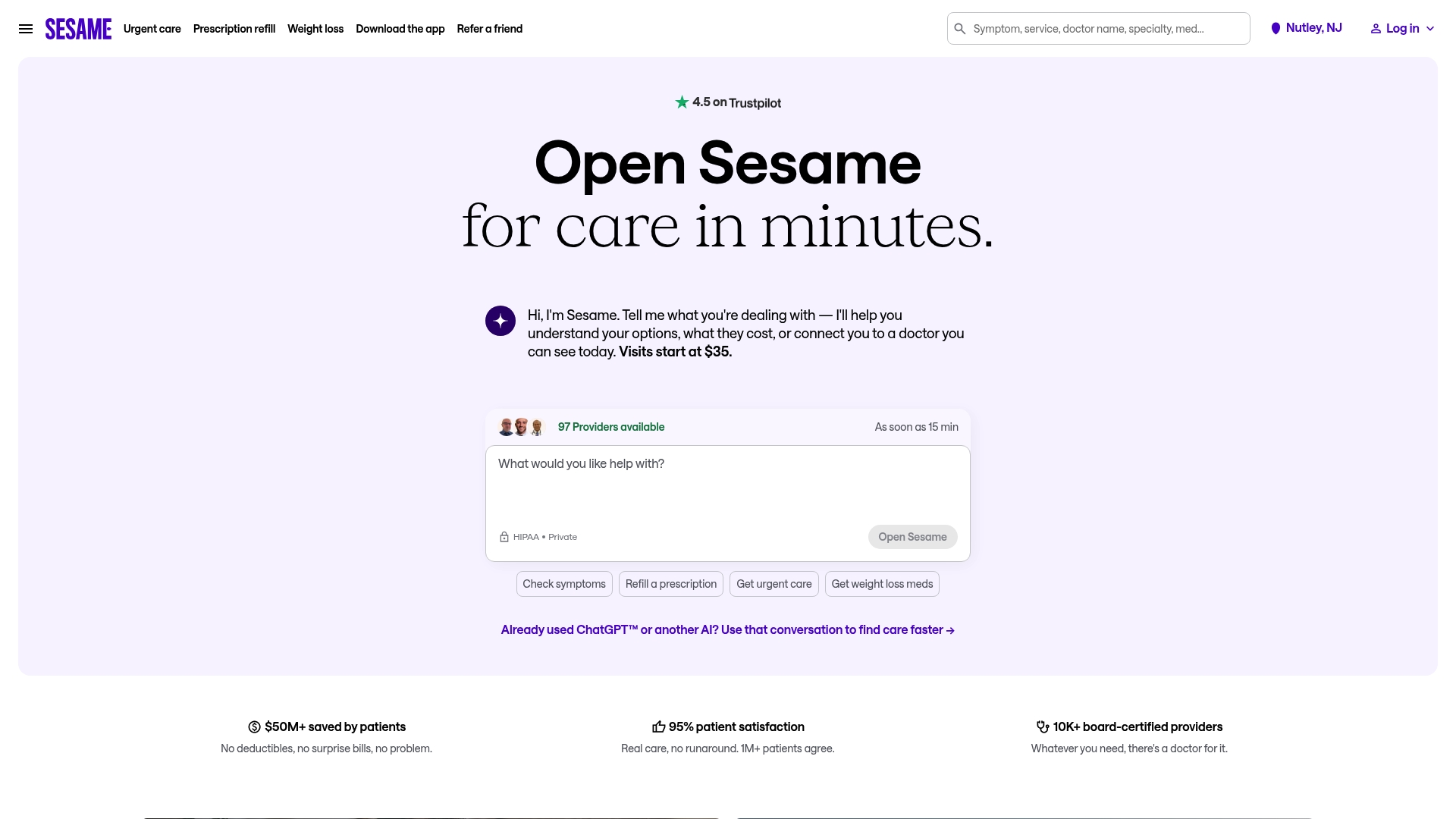
At a Glance
Sesame’s marketing materials state appointments are available within 1-2 hours and that certain plans list prices from $35 to $79/month. The site presents itself as a direct marketplace where patients book licensed clinicians without routing care through insurance.
Core Features
- Direct online booking with licensed clinicians across common primary and specialty needs.
- A service mix that includes urgent care, prescriptions, mental health, weight loss, dermatology, women’s health, and pediatrics.
- Telehealth and in-person visit options; the vendor advertises coverage across 40+ specialties.
- Transparent, cash-upfront pricing published per service and per visit.
Key Differentiator
Sesame’s marketing materials claim it was the first healthcare marketplace to publish direct-to-consumer prices and remove insurance middlemen from the booking flow. That marketplace angle targets patients who want pay-per-visit clarity rather than a membership or insurance-driven model. Chameleon Healthcare, by contrast, is telehealth-first and mixes urgent care with membership primary care; Sesame is narrower in its marketplace focus.
Pros
- Pleasant, responsive staff and an easy booking flow make quick visits simple for people who need same-day care.
- The pay-upfront pricing format gives predictable out-of-pocket estimates for appointments and prescriptions instead of surprise bills.
- Offers both virtual and in-person options so you can choose a remote visit or an office encounter based on urgency and preference.
- Verified reviews and licensed clinicians listed on profiles help you vet a clinician before you book.
- Broad service coverage means you can handle urgent care, mental health follow-ups, and routine pediatric needs from the same marketplace.
Cons
- Some patients report inconsistent pricing experiences or unexpected higher costs compared with initial quotes.
- There are anecdotal reports of prescriptions not being sent or delays reaching higher-tier support staff when problems arise.
- Occasional technical or scheduling glitches with the telehealth system have been noted by users.
- The platform has limited ability to assist with insurance claims, prior authorizations, or controlled substance prescriptions via telehealth.
When It May Not Fit
Do not use Sesame for emergency or life-threatening conditions; the service is explicitly not an emergency provider. If you require controlled substances via remote evaluation, this platform will not meet that need. Also avoid Sesame if you need a provider to handle insurance paperwork or complex prior authorizations regularly.
Who It’s For
Individuals with high-deductible insurance, people without insurance, and anyone who prefers predictable pay-per-visit pricing and rapid access to a range of specialties. It fits patients who value speed and price transparency over integrated insurance billing.
Real World Use Case
A patient with a high deductible schedules a telehealth urgent care visit for flu symptoms, pays an upfront $40 fee, receives a diagnosis, and gets a prescription sent the same day, avoiding a long urgent care wait and a larger bill.
Website: https://sesamecare.com
Comparative Analysis of Telehealth Services
Telehealth services have become an increasingly aspect of modern healthcare, offering convenience and accessibility without traditional constraints. After reviewing the offerings of Chameleon Healthcare, NIU Health, DirectMed DPC, and Sesame, we can highlight key trade-offs and stand-out features to help prospective users make the best choice.
Pricing Structures and Transparency
Chameleon Healthcare provides an annual membership model starting at $25 per month, offering unlimited virtual care without requiring insurance. This makes accessing recurring medical consultations cost-efficient for regular users. Sesame, on the other hand, uses a transparent pay-per-visit system with prices as low as $35 for individual appointments, appealing to those seeking occasional straightforward medical consultations. NIU Health blends affordability with an incentive model via their reward currency system, though extra costs may apply for labs and imaging services. DirectMed DPC adopts a full-membership approach with $119 per month, focusing on a personal physician relationship and extended appointments.
Scope of Services Offered
When comparing the services provided, there are clear distinctions. While Chameleon Healthcare uniquely integrates primary, urgent, and concierge care services within its membership, DirectMed DPC emphasizes direct access to personalized and primary care. NIU Health combines telehealth with in-clinic options, advancing patient engagement through its token economy. Meanwhile, Sesame stands out by offering rapid access across various specialties, along with in-person visits, through its direct marketplace platform.
Best Fit Recommendations
-
Select Chameleon Healthcare for predictable costs and integrated services suitable for individuals or families requiring frequent virtual consultations.
-
Employ Sesame for scheduling pay-per-visit specialty appointments, specifically for users valuing pricing transparency without commitment.
-
Choose DirectMed DPC if establishing a relationship-focused, subscription-based primary care alternative is essential, particularly for residents of Central Texas.
-
Opt for NIU Health as an affordable mix of preventive and urgent care, particularly notable for patients in Hawaii and New York seeking incentivized engagement.
Our Pick for Primary Reader Priorities
For users looking for a single platform that combines convenience, affordability, and routine care accessibility, Chameleon Healthcare excels with its combination of unlimited virtual care services and predictable membership fees without the necessity of insurance involvement. Conversely, users requiring in-person services or engagement incentivization through activities might discover that alternatives like Sesame or NIU Health cater better to their unique situations.
Telehealth Urgent Primary Care Comparison
Selecting the right telehealth platform requires evaluating unique features, pricing, and user suitability to match healthcare needs effectively.
| Platform | Key Features | Pricing | Best For | Limitations |
|---|---|---|---|---|
| Chameleonhc | Integrated primary, urgent, and concierge care | $25/month individual | Families and individuals wanting predictable costs | Not for emergency medical situations |
| NIU Health | Virtual and in-clinic visits with crypto rewards | $29.99/month | Tech-literate users in Hawaii or New York | Limited to two states |
| DirectMed DPC | Unlimited physician visits with monthly membership | $119/month individual | Adults in Central Texas seeking longer visits | Coverage excludes hospitalizations and surgeries |
| Sesame | Pay-per-visit with upfront pricing | $35–$79/month | Individuals needing quick specialty access | Reports of inconsistent pricing and delays |
Discover a Clear Alternative to elad-health.com with Chameleonhc
Finding a healthcare provider that delivers fast, affordable care without insurance hassle can feel frustrating. This article highlights key challenges like unpredictable costs and complicated insurance claims when exploring elad-health.com alternatives. Chameleonhc offers a simple membership model combining urgent care, primary care, and concierge services all on one platform. Patients get same-day access to licensed providers for common conditions without copays or surprise charges.
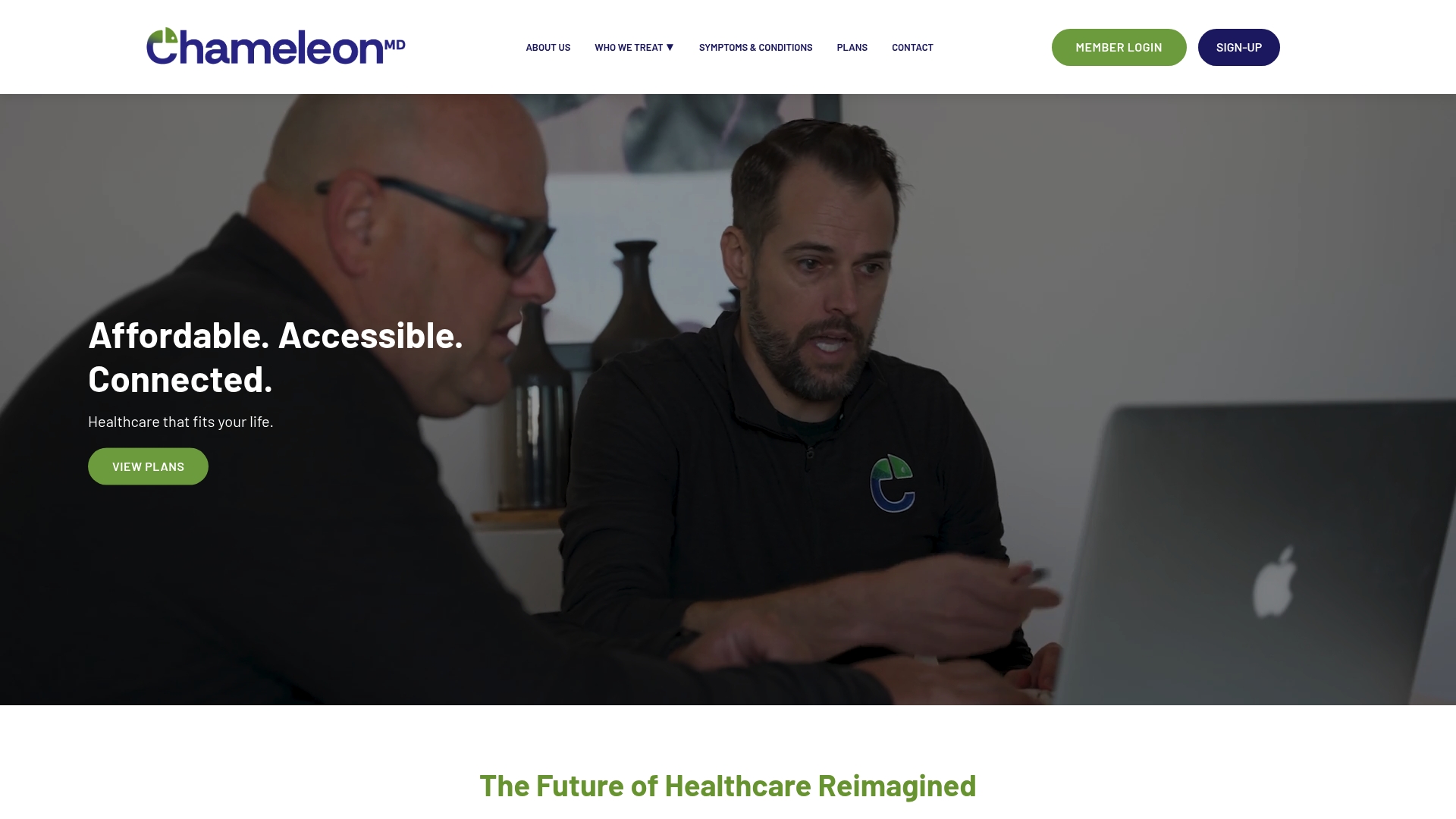
If you seek predictable out-of-pocket pricing and care from your phone or computer without the insurance barriers mentioned, explore Chameleonhc. Act now and book a virtual visit to skip waiting rooms and gain quick diagnoses for sore throats, sinus infections, and more with clear flat fees and no insurance paperwork.
Frequently Asked Questions
What makes Chameleonhc an ideal choice for unlimited virtual care?
Chameleonhc offers unlimited virtual care for a low annual fee without requiring insurance. The platform emphasizes 24/7 access to licensed providers and flat-rate pricing, which allows for predictable budgeting without surprise copays for routine needs.
Chameleonhc’s unique membership model combines primary, urgent, and concierge services into one access point, making it a compelling choice for individuals and families seeking convenience. Expect a straightforward subscription process that eliminates the complexities often found in traditional healthcare plans.
How does Chameleonhc compare with NIU Health in terms of pricing?
NIU Health’s membership is priced at $29.99/month, making it more affordable for those seeking budget-friendly options. However, it primarily focuses on a rewards model that ties patient engagement to a token economy, encouraging use through incentives.
Chameleonhc, starting at $25 per month, offers unlimited virtual care without the complexities of a rewards currency, making it suitable for users who prefer straightforward telehealth services. This model allows for predictable healthcare access without the additional layers of engagement required by NIU Health.
Which features make Chameleonhc a top choice for families seeking remote healthcare?
Chameleonhc offers personalized care plans and unlimited virtual visits, tailored to accommodate family needs effectively. This ensures that family members can access routine and urgent care easily without the burden of hectic in-person visits.
With options for family memberships starting around $45 per month, families can enjoy comprehensive healthcare while avoiding unexpected costs associated with traditional insurance models. Expect a streamlined approach that enhances the healthcare experience for families with busy schedules.
Can Chameleonhc be used for emergency medical situations?
Chameleonhc is not intended for emergency medical situations; users should seek in-person emergency care for life-threatening problems. The service is designed for non-emergency conditions, providing access to primary and urgent care virtually.
For those needing ongoing care for acute issues, using Chameleonhc can help manage routine health concerns effectively, but a separate plan may be necessary for emergencies.
What specific conditions can Chameleonhc address through its virtual services?
Chameleonhc covers a wide range of common conditions, including sore throats, sinus infections, and rashes, through licensed providers. The platform’s emphasis is on treating everyday health concerns without the complications of insurance claims.
This means users can expect quick, efficient visits for minor health problems, ensuring that effective care is easily accessible without the hassle of traditional office visits.