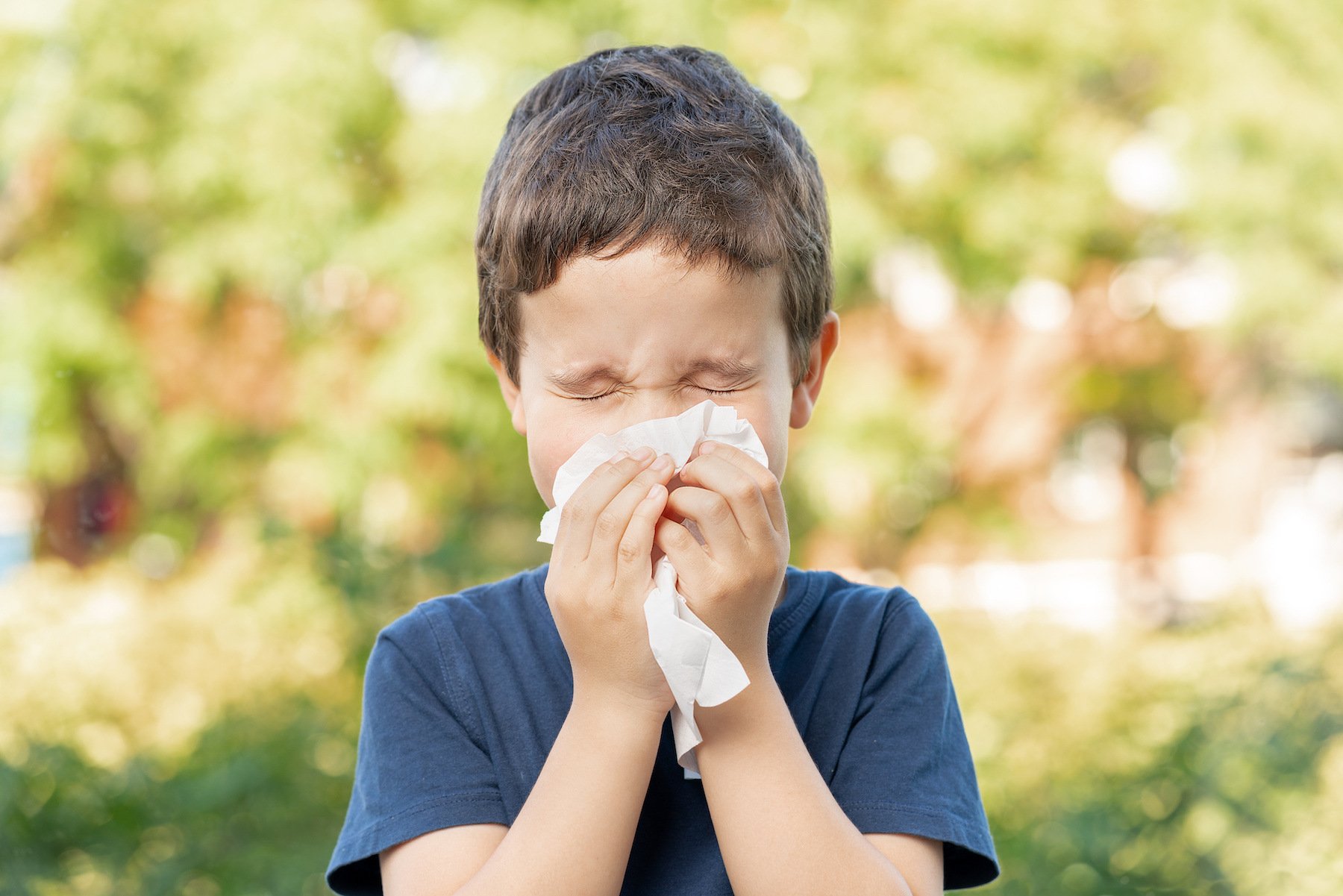
Allergies occur when your body's defense system (immune system) overreacts to certain substances. The immune system treats a harmless substance as if it were a harmful germ or virus. Many things can make this happen. These include pollens, medicine, food, dust, animal dander, and mold.
Allergies can be mild or severe. Mild allergies can be managed with home treatment. But medicine may be needed to prevent problems.
Managing your allergies is an important part of staying healthy. Your doctor may suggest that you have allergy testing to help find out what is causing your allergies.
Severe allergies can cause reactions that affect your whole body (anaphylactic reactions). Your doctor may prescribe an epinephrine medicine, such as an epinephrine shot or nasal spray, to carry with you in case you have a severe reaction. Learn how to give yourself the medicine and keep it with you at all times. Make sure it is not expired.
Follow-up care is a key part of your treatment and safety. Be sure to make and go to all appointments, and call your doctor if you are having problems. It's also a good idea to know your test results and keep a list of the medicines you take.
How can you care for yourself at home?
- If you have been told by your doctor that dust or dust mites are causing your allergy, decrease the dust around your bed:
- Wash sheets, pillowcases, and other bedding in hot water every week.
- Use dust-proof covers for pillows, duvets, and mattresses. Avoid plastic covers because they tear easily and do not "breathe." Wash as instructed on the label.
- Do not use any blankets and pillows that you do not need.
- Use blankets that you can wash in your washing machine.
- Consider removing drapes and carpets, which attract and hold dust, from your bedroom.
- If you are allergic to house dust and mites, do not use home humidifiers. Your doctor can suggest ways you can control dust and mites.
- Look for signs of cockroaches. Cockroaches cause allergic reactions. Use cockroach baits to get rid of them. Then, clean your home well. Cockroaches like areas where grocery bags, newspapers, empty bottles, or cardboard boxes are stored. Do not keep these inside your home, and keep trash and food containers sealed. Seal off any spots where cockroaches might enter your home.
- If you are allergic to mold, get rid of furniture, rugs, and drapes that smell musty. Check for mold in the bathroom.
- If you are allergic to outdoor pollen or mold spores, use air-conditioning. Change or clean all filters every month. Keep windows closed.
- If you are allergic to pollen, stay inside when pollen counts are high. Use a vacuum cleaner with a HEPA filter or a double-thickness filter at least two times each week.
- Stay inside when air pollution is bad. Avoid paint fumes, perfumes, and other strong odors.
- Avoid conditions that make your allergies worse. Stay away from smoke. Do not smoke or let anyone else smoke in your house. Do not use fireplaces or wood-burning stoves.
- If you are allergic to your pets, change the air filter in your furnace every month. Use high-efficiency filters.
- If you are allergic to pet dander, keep pets outside or out of your bedroom. Old carpet and cloth furniture can hold a lot of animal dander. You may need to replace them.
When should you call for help?
Use an epinephrine medicine, such as an epinephrine shot or nasal spray, if:
- You think you are having a severe allergic reaction.
- You have symptoms in more than one body area, such as mild nausea and an itchy mouth.
After giving an epinephrine medicine, call 911, even if you feel better.
Call 911 anytime you think you may need emergency care. For example, call if:
- You have symptoms of a severe allergic reaction. These may include:
- Suddenly raised, red areas (hives) all over your body.
- Swelling of the throat, mouth, lips, or tongue.
- Trouble breathing.
- Passing out (losing consciousness). Or you may feel very lightheaded or suddenly feel weak, confused, or restless.
- Severe belly pain, nausea, vomiting, or diarrhea.
Call your doctor now or seek immediate medical care if:
- You have symptoms of an allergic reaction, such as:
- A rash or hives (raised, red areas on the skin).
- Itching.
- Swelling.
- Mild belly pain or nausea.
Watch closely for changes in your health, and be sure to contact your doctor if you do not get better as expected.