
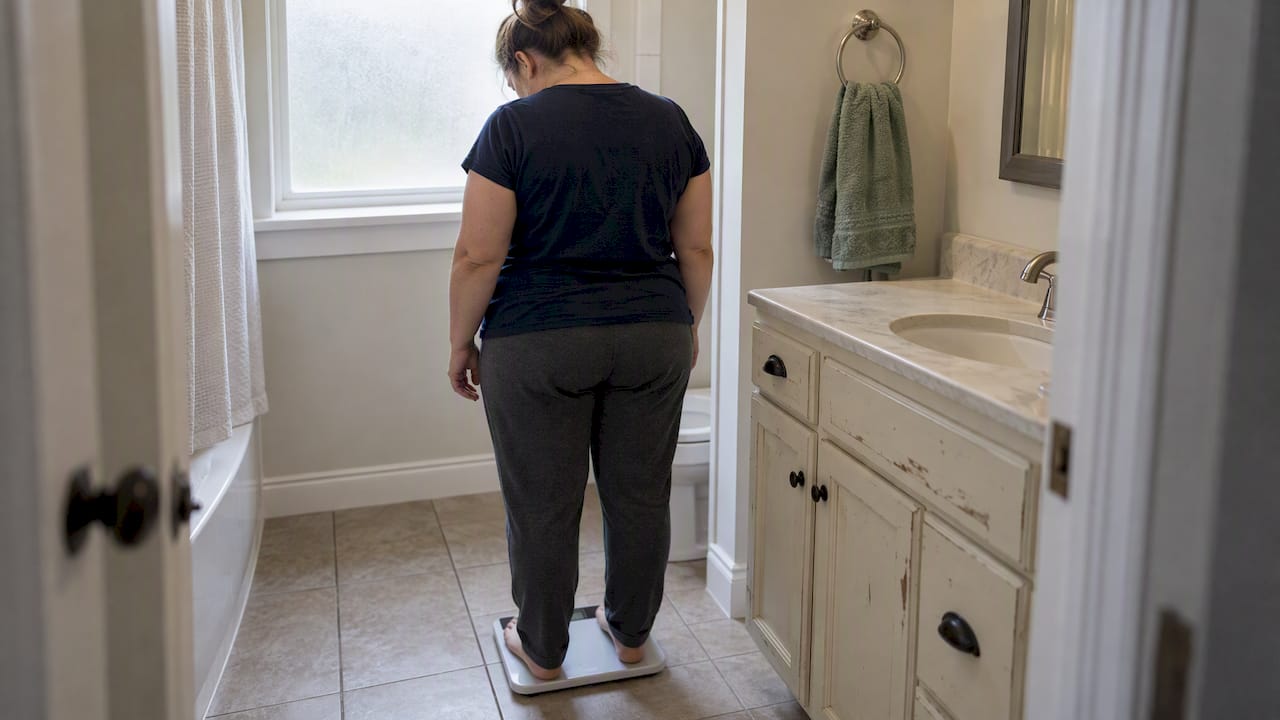
Most people feel appetite changes within 1 to 4 weeks, and measurable weight loss often shows up by 4 to 12 weeks. Bigger, dose-dependent losses build steadily over 6 to 12 months, and keeping that weight off usually means staying on treatment or layering in strong lifestyle support once the medication stops.
TL;DR:
- Most people begin noticing appetite changes within 1 to 4 weeks, with measurable weight loss typically occurring between 4 and 12 weeks of treatment.
- Significant, clinically meaningful weight loss of about 5% often appears around 12 weeks once an effective dose is reached, with larger losses happening after 6 months.
- Slow dose escalation and consistent medication use are crucial to managing side effects and achieving sustained results over 6 to 12 months.
- Weight loss results can range from 3% to 12% at one year, with individual factors like starting weight, habits, and medication dose influencing speed and magnitude.
- Maintaining weight loss long-term usually requires ongoing medication and lifestyle support, as weight tends to rebound if treatment stops abruptly.
Table of Contents
- Your Month-by-Month GLP-1 Timeline
- What the Clinical Trial Numbers Mean for You
- Factors That Affect Speed and Magnitude of Weight Loss
- Managing Side Effects and Staying Safe During Dose Changes
- Plateaus: Normal Slowing or Something to Address
- Practical Tips to Get the Most From Treatment
- A Clinician’s View on Setting Realistic Expectations
- How Chameleon Healthcare Supports Your GLP-1 Treatment
- FAQ
- Sources
Your Month-by-Month GLP-1 Timeline
Starting a GLP-1 medication can feel like stepping into the unknown, so it helps to know roughly what each stretch of treatment tends to bring. Here is how the path typically unfolds, based on how these medications are dosed and studied.
- Week 1 to 4: You start on a low dose while your body adjusts. Appetite often drops first, portions shrink, and mild nausea or digestive changes are common as your system adapts.
- Week 4 to 12: Your dose increases gradually toward a maintenance level. Many people reach close to a 5% weight loss by the 12-week mark once they are on an effective dose, though individual results vary quite a bit.
- Month 4 to 6: Weight loss tends to continue for people who are responding well, though the pace usually slows from those early weeks. This deceleration is normal and does not necessarily mean treatment has stopped working.
- Month 6 to 12: This is where the larger, trial-documented losses tend to show up, with some people reaching double-digit percentage losses depending on which medication and dose they are using.
- Beyond 12 months: Treatment shifts into a maintenance phase. Staying on the medication, alongside ongoing lifestyle habits, is what tends to keep the weight off long term.
Weight loss added by prescription medication, combined with lifestyle changes, commonly runs 3% to 12% higher at one year than lifestyle changes alone. That range reflects how much the medication itself contributes on top of diet and activity changes you would be making anyway.
It is worth sitting with that range for a moment, because it reframes what “working” looks like. A GLP-1 is not a replacement for everything else, it is an amplifier for the changes you are already putting in.
Pro Tip: Keep a simple weekly note of your weight, appetite level, and any side effects. That record makes it much easier for your provider to tell whether you are on track or need a dose adjustment.
The early weeks are often the hardest, not because the scale is not moving, but because your body is adjusting to new signals around hunger and fullness. If you are feeling less interested in food or noticing you get full faster, that is usually the medication doing its job well before the scale catches up. For a deeper look at what those early side effects feel like and how long they tend to last, our guide to GLP-1 side effects walks through what is typical.
By the time you hit the three-month point, your care plan should feel more settled. You will likely be at or near your maintenance dose, your body will have had time to adjust to the GI effects, and you should have a clearer sense of your personal response pattern. If your progress is much slower than expected at this stage, that is the point to loop in your provider rather than wait and see.
The six-to-twelve-month window is where patience really pays off. This is when the compounding effect of appetite changes, portion control, and steadier energy levels tends to produce the bigger numbers you may have read about in clinical trials. It is also when many people start thinking seriously about what maintenance looks like, since losing weight and keeping it off are two different jobs. Our GLP-1 maintenance plan guide covers how that transition typically works.

What the Clinical Trial Numbers Mean for You
Clinical trials give us the clearest picture of what GLP-1 medications can do, but translating trial percentages into your own experience takes a little context.
- Semaglutide trials have shown that weight loss tends to appear starting around the first postrandomization checkpoint at week 4, with changes building from there as the dose increases.
- The FDA label for semaglutide (sold as WEGOVY) lays out a specific escalation schedule: you start at 0.25 mg weekly for the first 4 weeks, then increase roughly every 4 weeks until you reach a maintenance dose, which can take until around week 16 for some people.
- Tirzepatide follows a similar step-up approach, with its own escalation schedule designed to reduce digestive side effects while building toward an effective dose.
- A head-to-head trial comparing the two found tirzepatide produced a mean weight loss of about 20.2%, compared with roughly 13.7% for semaglutide at week 72, giving a sense of how the two medications differ in magnitude over a similar timeframe.
Clinicians generally look for about a 5% weight loss within 12 weeks of reaching your full, effective dose as a sign the medication is working for you. That threshold matters because it is often used to decide whether to continue, adjust the dose, or consider a different approach.
Slow, deliberate dose escalation is not just a formality. It is the mechanism that keeps side effects manageable while still getting you to a dose strong enough to produce real results. Rushing that process tends to backfire with worse nausea and no faster progress.

Factors That Affect Speed and Magnitude of Weight Loss
Two people on the same medication and dose can have very different experiences, and several factors explain why.
- Starting point: Your baseline weight, metabolic health, and whether you have type 2 diabetes or prediabetes all influence how much and how fast you lose weight.
- Dose and consistency: Reaching your full effective dose matters, and so does taking it consistently. Slower titration delays when you feel the full effect.
- Other medications: If you take insulin or a sulfonylurea, your provider will likely need to adjust those doses, since improved insulin sensitivity from weight loss raises your risk of low blood sugar.
- Daily habits: Diet quality, physical activity, sleep, and stress levels all shape how your body responds, and so do practical constraints like schedule, access to food, and support at home.
None of these factors are things to feel judged about. They are simply the variables your provider will want to understand if your results are faster or slower than you expected.
Managing Side Effects and Staying Safe During Dose Changes
Digestive side effects are the most common complaint in the early months, and they usually ease as your body adjusts.
- Expect nausea in the first weeks after each dose increase. It typically peaks a few days after a step-up and settles before the next one, which is exactly why the escalation schedule is spaced out the way it is.
- Eat smaller, slower meals and avoid very fatty or greasy food if nausea is bothering you, since heavier meals tend to make GI symptoms worse.
- Watch for low blood sugar symptoms like shakiness, sweating, or confusion if you also take insulin or a sulfonylurea. Your provider may lower those doses once you start a GLP-1.
- Call your provider promptly for persistent vomiting, signs of dehydration, severe abdominal pain, or symptoms that suggest gallbladder problems or pancreatitis. These are uncommon but need prompt medical attention.
Pro Tip: If nausea is intense right after a dose increase, ask your provider whether staying at your current dose a little longer before escalating further is a reasonable option.
For a closer look at how long specific side effects tend to last and ways to ease them, our GLP-1 side effects guide goes into more detail.
Plateaus: Normal Slowing or Something to Address
Weight loss on a GLP-1 rarely moves in a straight line, and almost everyone hits a stretch where the scale barely budges.
- Normal deceleration happens as your body adjusts to a new weight and energy balance. Slower loss after month 3 or 4 is common and does not automatically mean the medication has stopped working.
- The 12-week checkpoint matters here. If you are at your full maintenance dose and have not lost roughly 5% of your body weight within about 12 weeks, that is the point to reassess with your provider rather than push through quietly.
- Troubleshooting a real plateau usually starts with checking adherence, confirming the dose is right, reviewing other medications for interactions, and looking honestly at sleep, stress, and activity levels.
- Dose adjustments, added support, or a specialist referral are all reasonable next steps if a true plateau shows up and the basics check out.
Practical Tips to Get the Most From Treatment
Small, steady habits tend to matter more than big overhauls when you are on a GLP-1.
- Prioritize protein and fiber at each meal. Both help manage hunger and protect lean muscle while your appetite is naturally lower.
- Add resistance training alongside regular aerobic activity. This combination helps preserve muscle mass as the number on the scale drops.
- Track more than just weight. Waist measurement, energy levels, mood, and side effects all give your provider a fuller picture than the scale alone.
- Plan for maintenance before you need it. Talk with your provider early about follow-up visits and what your plan will look like if you ever pause or stop the medication.
Pro Tip: A simple weekly log of weight, mood, and energy takes two minutes and gives your provider far more useful information than a single number at your next visit.
A Clinician’s View on Setting Realistic Expectations
Obesity behaves like a chronic condition, not a short-term project, and many people need ongoing support to maintain weight loss over time. Early side effects and slow early progress are normal parts of adjustment. Staying consistent, monitoring your response, and keeping regular check-ins with a licensed provider are what tend to produce the steadiest long-term outcomes.
— Vector
How Chameleon Healthcare Supports Your GLP-1 Treatment
Getting started with a GLP-1 medication should not mean weeks of waiting rooms or confusing pricing. Through our GLP-1 Weight Loss program, we offer virtual visits with licensed providers who review your medical history, check for medication interactions, and build a dosing plan suited to you, all without needing insurance.

- New members can start a GLP-1 management subscription at published rates, with pricing details available on the provider’s site.
- First visits typically include a full medical history review, a check of current medications such as insulin or sulfonylureas, and a clear follow-up plan.
- Single telehealth visits and memberships for individuals or families are also offered, with current prices listed on the service’s pricing page.
If you are ready to talk through eligibility and next steps, our GLP-1 online prescription guide explains exactly what that first virtual visit looks like, and you can review full plan details any time on our plans page.
This article is general information, not a substitute for advice from a qualified doctor. Consult a qualified healthcare professional about your own circumstances before acting on anything here.
FAQ
How long does it take to lose 20 pounds on semaglutide?
There is no fixed timeline, since it depends on your starting weight, dose, and individual response. Many people see steady progress toward that goal somewhere between 3 and 6 months of consistent treatment, particularly once they reach their maintenance dose.
How quickly do you lose weight on a GLP-1 medication?
Appetite changes often show up within the first 1 to 4 weeks, while measurable weight loss commonly follows by 4 to 12 weeks. Larger, more noticeable losses tend to build over the following months as your dose increases.
How much weight can you lose on a GLP-1 in 6 months?
Results vary widely by medication, dose, and individual factors, but many people see continued, steady loss through the 6-month mark as they settle into their maintenance dose. Your provider can help set expectations based on your specific treatment plan and early response.
What is a realistic timeline to lose 20 pounds?
For many people, a realistic timeline falls somewhere between 3 and 6 months, assuming consistent dosing and steady lifestyle habits alongside treatment. Progress is rarely perfectly linear, so some months will show more change than others.
What happens if I stop taking a GLP-1 medication?
Stopping treatment often leads to some degree of weight regain, especially without a strong maintenance plan in place. That is why many providers treat obesity as a long-term condition requiring ongoing support rather than a short course of treatment.
Sources
- WEGOVY (semaglutide) prescribing information (FDA)
- Prescription medications to treat overweight and obesity — NIDDK