
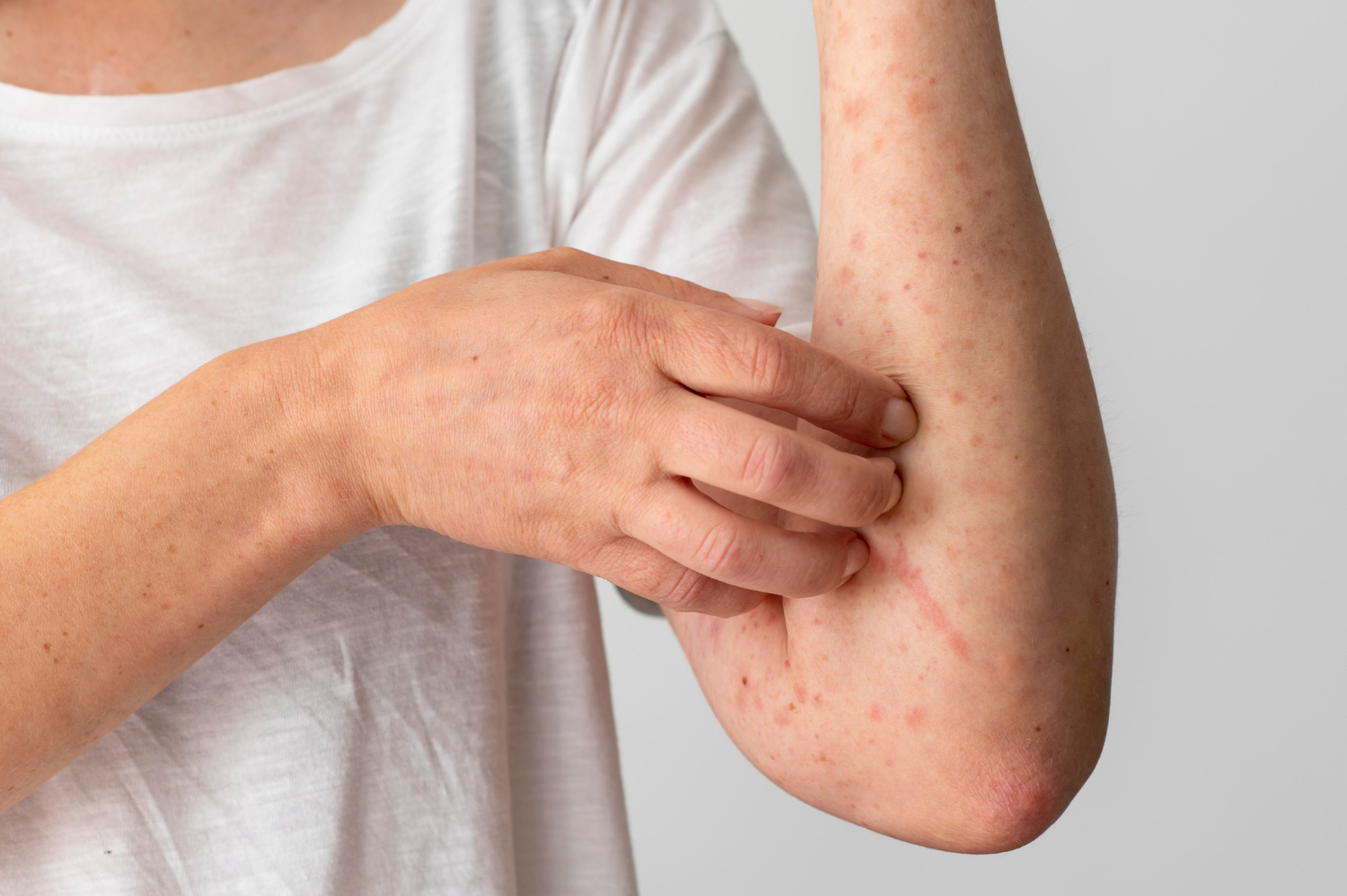
Winter has a way of making dry, itchy skin feel worse. When a new spot or rash appears, it's not always clear if you should be concerned or just let it pass. Cold air, indoor heat, and thick fabrics can all affect your skin differently, which adds to the confusion. Some rashes go away with time and care, but others may point to an infection or allergic reaction. When you're trying to decide what your skin needs, an online rash diagnosis can make things simpler. It gives you fast answers, especially when you're not sure if it's urgent. At ChameleonMD, you can connect with licensed providers 24/7 for virtual primary and urgent care, with flat, upfront pricing and no insurance required.
What Common Rashes Look Like in Winter
As temperatures drop, skin can react in ways that are easy to overlook. Rough patches, redness, or itching might be written off as dryness. But not all winter skin problems are alike. Some of the most common cold-weather rashes include:
• Eczema, which often causes scaly, cracked skin that tends to flare with dry indoor heat
• Hives, which may look like raised red welts and can appear after temperature changes or contact with new fabrics
• Contact dermatitis, which is triggered by items like harsh soaps, detergent, or wool clothing
While these conditions are usually not serious, they can look a lot like things that need medical attention. If you're not looking closely, a rash caused by irritation can be mistaken for one that's part of a larger problem. This is one reason people reach out to doctors, especially when at-home lotion or antihistamines aren't working.
During the colder months, skin is more likely to become irritated due to the distinct changes in your environment. For instance, transitioning from chilly outdoor air to warm buildings can dry out your skin even faster, making you more prone to developing rashes. Some people experience repeated problems every year and know exactly what to expect, while others may notice new symptoms they've never dealt with before. In either case, it's helpful to understand what different rashes might indicate and when they could be more than a seasonal nuisance. Recognizing these patterns provides reassurance or alerts you to the need for professional evaluation if something feels off.
Signs a Rash Might Need Doctor Evaluation
Not every rash is urgent, but some have features that shouldn’t be ignored. Certain symptoms point to something more than skin reacting to weather or clothing. Rashes that spread fast, hurt, or get worse over time may signal an issue that deserves a closer look. Here are a few signs that a rash might be worth asking a doctor about:
• The area starts to swell, ooze, or crust over
• You notice pain, more heat than usual, or a rash that moves to new areas quickly
• A fever shows up around the same time the rash appears
• The irritation hasn’t improved after several days or gets worse with time
These could be signs of infection, inflammation, or even allergic reactions. Delaying treatment might make things harder to treat. Checking in with a provider can help you figure out what’s causing it and what to do next. When in doubt, it helps to get a second opinion.
If you've tried addressing the issue at home, changing soaps, wearing different fabrics, or changing your environment, and the rash persists, that is also a clue that it’s time to consult a professional. Sometimes rashes can start mild and then worsen unexpectedly. They might also come with unusual symptoms you haven’t seen before, such as blisters or joint pain. Paying attention to your body’s overall signals is always helpful.
When You Can Wait It Out at Home
Sometimes, skin issues are just annoying, not dangerous. When there’s no pain, swelling, or pattern of spreading, it’s possible the rash will fade on its own. That’s especially true if you know what caused it. You might have tried a new body wash, changed the laundry detergent, or worn something scratchy. In these cases, you may not need medical help right away.
Here’s when you can usually wait:
• The rash is mild, flat, and not spreading
• It doesn’t come with a fever or other symptoms
• You can connect it to a clear source, like a new fabric or product
• The area feels dry or itchy, but not hot or painful
If symptoms stay the same or fade in a day or two, there’s often no reason to worry. Still, trust your gut. If something feels strange or you’re nervous watching it change, getting a doctor’s opinion can bring peace of mind.
It’s often helpful to avoid scratching the area, use mild moisturizers, and pay attention to any changes in sensation or appearance. If you’ve had similar rashes before and they resolved with gentle care, that history can also guide your decision to wait it out. Noting the timing of recent changes, have you recently switched soaps, tried new clothing, or spent extra time in especially dry air?, can offer clues.
How Online Rash Diagnosis Works and When to Use It
Getting help used to mean waiting days for an in-person appointment, but now you can connect quickly from anywhere. An online rash diagnosis lets you check in without leaving home, even during bad weather or a packed schedule. You answer a few questions, describe the symptoms, and often share a photo or show the problem on camera.
Here’s how this kind of care makes things easier:
• Doctors are trained to spot different types of skin problems, even through a screen
• Mild infections, allergic reactions, or dry skin flare-ups are often easy to recognize
• Providers can help you avoid over-treating, under-treating, or using the wrong remedies
When your skin feels off and nothing seems to help, this option gives you trusted insight. It's useful when you aren't dealing with an emergency, but you don’t want to guess and wait. Early care can stop something minor from turning into something bigger. At ChameleonMD, our Nebraska-based virtual care team supports individuals, families, and small to medium businesses who need accessible answers about symptoms like rashes during the winter season.
Online evaluation can also save you from making unnecessary trips to a doctor’s office, especially when things turn out to be mild and manageable from home. Because providers are trained to ask the right questions, they can help rule out problems that may otherwise keep you guessing. In situations where it’s unclear what is causing a rash, a professional’s external view, supported by your history and any photos or video, guides the next steps. You may receive reassurance, home care instructions, or a suggestion to escalate your care, all from the comfort of your living space.
A Smarter Way to Handle Rash Uncertainty
We know that most people don’t want to overreact to every skin change. But we’ve also seen how small rashes can turn into bigger concerns when ignored. Winter can be rough on skin, especially when you're layering up or spending more time inside with dry air. That makes it easier to miss signs or mistake one condition for another.
Online rash diagnosis gives people a way to act early without the stress of in-person visits. It helps you sort out what’s normal, what’s not, and what to do next. When you understand how your skin reacts and when to ask for help, you can stay a few steps ahead of winter rashes. And that makes getting through the season just a little easier.
Noticing a rash that doesn't seem to be getting better or feels off can be frustrating. We're here to help you decide your next step. Whether it's an allergic reaction, a flare-up, or something more unexpected, quick access to care makes all the difference. Our providers guide you through an online rash diagnosis so you're not left guessing. At ChameleonMD, we make it easier to get the answers you need without leaving home. Contact us anytime if you have questions or need support.